

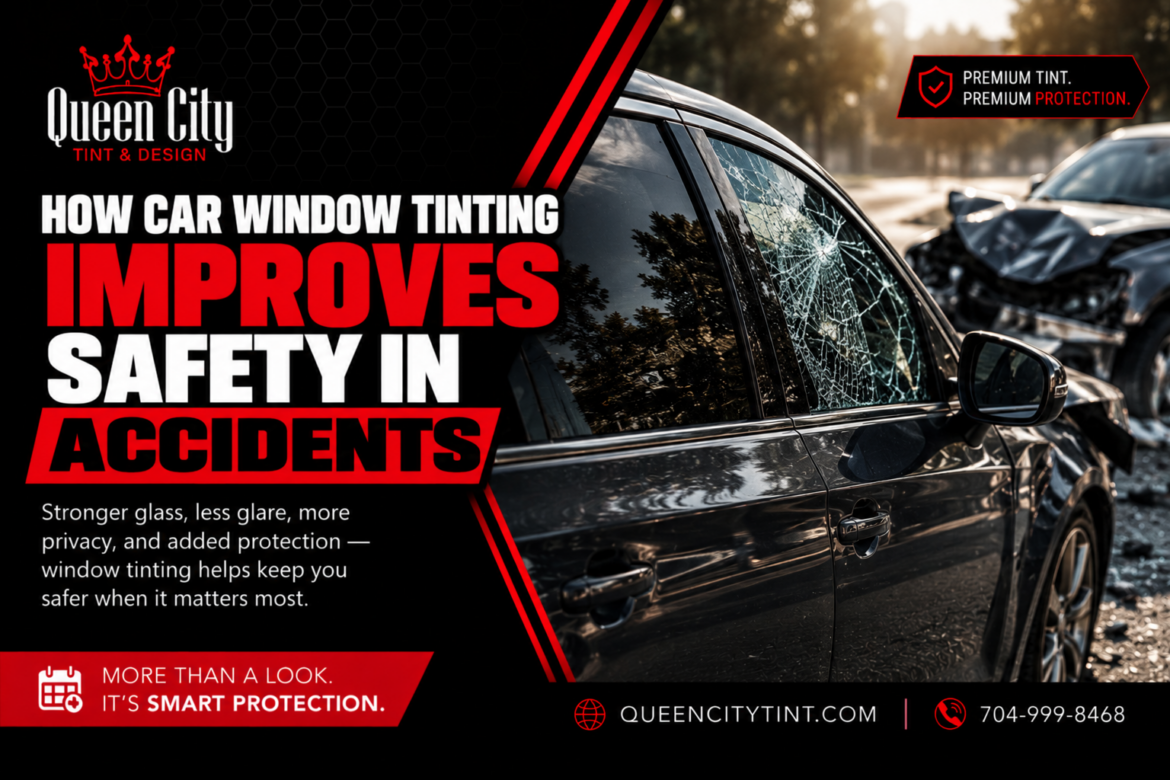
How Car Window Tinting Improves Safety in Accidents
When we think about car window tinting, most people picture a sleek appearance or a more comfortable ride, shaded from the harsh sun. But there’s a deeper reason to consider tinting for your vehicle: the potential safety benefits, especially during road accidents. While aesthetics and comfort sell the service, safety should not be overlooked.
Understanding Car Window Tinting
Car window tinting involves applying a thin film to the vehicle’s window glass. This film is engineered to control the amount of sun and heat that enters your car, but its capabilities go far beyond blocking rays.
Modern automotive window tints are made from advanced polymers and, depending on their grade, can be equipped to enhance structural integrity and passenger safety during unforeseen events.
The Science of Windows During Accidents
In the event of a collision, one of the primary threats to occupants is shattered glass. Automotive glass is manufactured to break into small, less-sharp pieces for safety, but in high-impact situations, these fragments can still cause injury. This is where quality window film comes into play. Even a thin tint film can hold broken glass together, preventing projectiles and minimizing injury risks.
Preventing Ejection and Injury
When a window breaks upon impact, the sudden rush of force can eject passengers or scatter shards at high speed. Window tint acts as a kind of safety net, binding the pieces together as the glass fractures. This containment drastically reduces the risk of ejection and decreases the likelihood of lacerations during a severe accident.
Enhanced Protection from Road Debris
Glass is not only at risk from impacts with other vehicles. During accidents, loose road debris or parts from surrounding cars can strike windows with great force. A window with applied tint is more likely to absorb and disperse this energy without instantly collapsing, buying precious moments and adding a layer of protection for everyone inside.
Improved Visibility Under Stressful Conditions
Accidents often occur during poor weather or staggered daylight conditions. Window tint minimizes glare from the sun and headlights, offering drivers a clearer, less overwhelming view of the road. In stressful accident scenarios, this slight advantage can help drivers make faster, more accurate decisions, possibly avoiding or lessening the severity of a crash.
Safeguarding Valuables and Preventing Break-Ins After Accidents
It’s not the accident alone that can put you and your belongings at risk. A disabled vehicle may sit unattended before help arrives. Windows protected by tint make it harder for would-be thieves to gain access, as the layered film resists shattering and discourages smash-and-grab attempts.
Heat and UV Control for Accident Victims
After a crash, occupants could be forced to wait in their vehicle for extended periods. Window tint reduces interior heat and blocks harmful ultraviolet rays. This temperature control can be especially important if the car is disabled in the sun, helping reduce health risks for anyone waiting for emergency assistance.
Legal Compliances and Tinting for Safety
There are regulations regarding how dark or reflective your tint can be, and for good reason. Excessively dark windows can impact driver visibility at night. Reputable tinting businesses ensure their films offer safety and comfort without exceeding local legal limits. The right film lets you reap the safety benefits without creating new risks or legal hassle.
Why Queen City Tint Focuses on Safety
As specialists in auto window tinting, we emphasize films engineered for more than looks. Each installation at Queen City Tint considers factors like glass type, accident response, and compliance with safety standards. Our goal is not just to keep your vehicle cool or stylish, but also to ensure you and your loved ones have every possible defense during the moments that matter most.
Frequently Asked Questions
How does car window tint help during a car accident?
Window tint helps by holding broken glass together, making it less likely that sharp shards or entire panes will be projected into the car or onto its occupants during a collision. This added structure also slows down ejection of debris and people.
Will window tint make it harder for emergency responders to help me?
Modern vehicle window films are designed to allow sufficient visibility into the car. They do not prevent emergency responders from breaking glass if required, but they limit airborne glass fragments, offering more safety for you and for first responders.
Is window tint legal on front windows if I want improved safety?
Most states allow window tint on front windows up to a certain visible light transmission percentage. Always check your local regulations or consult a professional installer like Queen City Tint, we balance optimal safety with full legal compliance.
Besides safety, does tint affect my day-to-day driving?
Yes, in a positive way. Properly installed tint can minimize sun glare and eye strain, maintain a cooler cabin, and protect the interior from fading. These factors also play into safer, more comfortable driving all year round.
Conclusion
Car window tinting is an investment in much more than aesthetics. It plays a vital role in vehicle safety, particularly during accidents, helping prevent injuries, protect valuables, and increase overall occupant security.
For auto owners interested in not only style and comfort but also in practical accident protection, window tinting stands out as a wise choice. Consider both the everyday and unexpected benefits of tinting when thinking about your vehicle’s long-term safety.


 English
 German