10 Benefits of Window Tint Beyond Privacy

10 Benefits of Window Tint Beyond Privacy

When people think of window tinting, privacy is often the first advantage that comes to mind. While tinted windows do shield you from unwanted eyes, the reality is that their value goes far beyond just keeping the inside of your vehicle or property discreet.

Window tint technology has evolved, offering a spectrum of practical and even unexpected benefits for car owners and homeowners alike. Today, we’ll explore ten impactful ways that window tint can enhance your daily life, safety, comfort, and much more.

1. Superior UV Ray Protection

One of the most significant and scientifically validated advantages of modern window tint is its ability to block harmful ultraviolet rays. High-quality window tint can filter out up to ninety nine percent of UVA and UVB rays. This protects your skin from long term sun exposure, reducing risks related to premature aging and skin cancer, even during short commutes.

2. Enhanced Comfort and Reduced Heat

Window tint works to reject a considerable portion of the sun’s radiant heat. This means your car or living space remains cooler on hot days, reducing your reliance on air conditioning. The result is not only increased comfort, but also the potential for lower energy bills and less strain on your vehicle’s air conditioning system.

3. Protects Interior Surfaces

Long term sun exposure can prematurely fade and damage interior furnishings, upholstery, dashboards, and carpeting. Window tint limits this exposure, keeping colors vivid and surfaces in good condition. Whether you have leather seats or custom interiors, tint helps maintain that showroom look by minimizing fading and cracking.

4. Reduces Glare for Safer Driving

Glare from the sun or from other headlights can be a serious safety hazard, disrupting your vision and reaction times. Window tint reduces this glare by softening the intensity of bright lights, creating a safer and more comfortable driving experience at all hours of the day.

5. Energy Efficiency

Tinted windows in vehicles and buildings both contribute to improved energy efficiency. By moderating inside temperatures, less cooling is required on hot days, and interior heat escapes more slowly in winter. Over time, this energy control can lead to noticeable savings on fuel or electricity costs.

6. Added Security and Shatter Resistance

Window tint holds glass together more effectively if an accident or break in occurs. The film acts as a barrier that discourages shattering, reducing the risk of injury from flying glass and making it more difficult for thieves to gain quick access. This subtle reinforcement brings peace of mind for drivers and property owners alike.

7. Preserves Electronics and Valuables

Electronics like navigation systems, tablets, cell phones, and audio equipment are often left inside cars or near windows at home or work. These devices can overheat and degrade when exposed to direct sunlight. Window tint helps shield them, prolonging their operational life.

8. Custom Appearance and Curb Appeal

While privacy is one aspect, window tinting also offers a chance to boost the aesthetic of your car, office, or home. From sleek, dark shades to subtle tints that simply add a refined shine, you have control over your property’s overall look and curb appeal.

9. Consistency and Comfort for All Passengers

In vehicles, the effects of the sun can be inconsistent, with some seats exposed to more direct light than others. Window tint balances internal temperatures, ensuring everyone inside enjoys equal comfort no matter where they sit.

10. Promotes Healthier Living and Skin Care

By blocking harmful rays, reducing glare, and keeping environments cool, window tinting inadvertently promotes a healthier, more mindful lifestyle. Less overheating leads to fewer headaches and reduced fatigue, fostering safer and more alert driving.

Frequently Asked Questions

Will window tint make my car too dark at night?

Most modern tints are engineered to balance visibility and privacy. High-quality films allow clear views even after dark while still delivering the many benefits described above. It is important to consult local regulations on allowable tint darkness.

Does window tint require special maintenance?

Caring for tinted windows is simple. Avoid abrasive cleaners and rough sponges, and use soft towels and ammonia-free cleaning products. With regular gentle cleaning, tints can last for years without losing effectiveness.

Can window tint be installed on all windows of a house?

Absolutely. Window tints are available for residential windows in various shades and levels of reflectivity. Some films are nearly invisible yet still offer impressive UV and heat rejection for any room.

How long does window tint typically last?

The lifespan of window tint varies by material, quality, and exposure to the elements. Professionally installed, high-quality tints can often endure five to fifteen years, depending on environmental factors and maintenance.

Conclusion

Window tinting delivers an impressive set of advantages that extend far beyond simple privacy. From safeguarding your health and preserving your car or home’s interior to lowering energy costs and boosting security, it represents a smart investment in comfort, protection, and long term value.

Whether you drive daily under the blazing sun, want to increase the lifespan of your furnishings, or simply wish for a more pleasant ride or living space, adding window tint is well worth considering.

3M Window Tint vs Ceramic Tint: Which Is Right for Your Vehicle?

Choosing the best window tint for your vehicle is rarely an easy decision. With so many brands and materials available, car owners are left wondering which option will offer the right blend of appearance, protection, and long-term value.

Two of the most popular choices are 3M window tint and ceramic tint. Each stands out for a unique set of reasons. In this blog, you will discover the differences and benefits of each so you can make an informed decision that suits your vehicle and lifestyle.

Understanding 3M Window Tint

3M window tint is a product line developed by one of the world’s most trusted names in adhesives and protective films. Known for innovation, 3M’s automotive tint lineup includes several options that cater to a range of budgets and needs. These films are typically made from polyester materials and may be infused with dyes or metal particles to enhance performance.

Some notable benefits of 3M window tint include blocking harmful UV rays, reducing glare, and providing added privacy. Many drivers appreciate the broad range of tints, from simple dyed films to advanced multilayer optical nano-technology films. 3M window tints can greatly reduce interior fading, making them a common choice for both daily drivers and automotive enthusiasts.

Exploring Ceramic Window Tint

Ceramic window tint uses advanced technology and high-quality materials to deliver maximum heat rejection and UV protection. Instead of dyes or metals, ceramic tints are crafted with tiny ceramic particles that are not visible to the naked eye. These particles provide impressive insulation from heat and outstanding optical clarity.

Ceramic window tint is often considered a premium option because it provides high protection without interfering with electronic signals. It resists fading, does not turn purple over time, and blocks a greater portion of infrared heat than most traditional tints.

Key Differences Between 3M and Ceramic Window Tint

To truly understand which option is better for you, it’s important to look at a few core differences.

Heat Rejection

Ceramic tint is highly regarded for its superior heat-blocking properties. The ceramic particles in the film can reflect and absorb more heat, preventing your car interior from overheating. While 3M’s higher-end models offer good heat rejection, traditional non-ceramic 3M tints may not match the insulation performance of true ceramic films.

UV Protection

Both 3M and ceramic tints are effective at blocking harmful ultraviolet rays. This protection helps protect passengers from UV exposure while also preserving the colors and materials inside your vehicle.

Signal Interference

Some metallic tints can interfere with GPS, radio, and mobile phone signals. Ceramic window tints, on the other hand, are non-metallic and do not cause signal disruptions. Higher-end 3M films are also engineered to minimize signal interference, providing a smooth and uninterrupted driving experience.

Appearance and Durability

Ceramic window tint stands out for its exceptional optical clarity. It does not appear dark or hazy and maintains a consistent shade for years. 3M tints, especially their advanced models, provide good clarity and color stability, but lower-tier dyed films may fade or change color with age.

Price

Ceramic tint generally comes at a higher upfront cost than standard 3M dyed or metallic tints. However, some of 3M’s premium options can be as costly as ceramic tints due to the company’s specialized manufacturing processes and warranties.

Warranty and Brand Trust

3M offers robust warranties and a strong history of product reliability. Many ceramic tints from other brands also come with substantial guarantees, but 3M’s name carries a certain level of trust that appeals to many car owners.

Which Tint Is Right for Your Vehicle?

Making the right choice often comes down to your personal needs, budget, and expectations.

If cost is a concern and you are looking for a reliable, recognizable brand, 3M window tint provides a range of effective solutions that will block UV rays and enhance your vehicle’s appearance.

If you live in a hot climate, value the best possible heat rejection, or want a film that will not interfere with your electronics, ceramic tint offers leading-edge performance and longevity.

Before making your final choice, consider these factors:

  • Your regional climate and parking conditions
  • Whether you regularly use devices that could be affected by signal interference
  • How long you plan to keep your vehicle
  • Your expectations for product durability and clarity
  • Your overall budget

Frequently Asked Questions

Does ceramic tint last longer than 3M tint?

Ceramic tints are known for their longevity and stability. While 3M tints are also durable, lower-tier dyed films may fade more quickly than ceramic options. For long-term clarity and color stability, ceramic tint often comes out on top.

Will either window tint affect my GPS or Bluetooth reception?

High-quality ceramic tints do not contain metal and will not interfere with electronic signals. Most modern 3M tints are engineered to minimize signal interference, though some metallic-based versions could cause minor issues.

How do I choose the right tint darkness?

Both 3M and ceramic tints come in multiple shades. Check local laws to guide your selection and consider your preferences for visibility, privacy, and interior cooling.

Is professional installation necessary for these tints?

Yes, professional installation is strongly recommended for the best performance and longevity, regardless of the type of tint you choose. Correct installation reduces the risk of bubbling, peeling, and premature wear.

Conclusion

The debate between 3M window tint and ceramic tint centers on priorities like heat rejection, longevity, clarity, and budget. Both offer welcome upgrades over untinted glass, but the ideal solution varies by driver.

Ceramic tints excel in performance, clarity, and signal friendliness, yet 3M’s reputation and broad selection remain compelling. What matters most is selecting a tint that aligns with your lifestyle, protects your investment, and complements your vehicle for years to come.

Paint Protection Film (PPF): Is It Worth the Investment?

Car enthusiasts and everyday drivers alike share a common desire, to protect the beauty and value of their vehicles for as long as possible. Modern automotive paints are more resilient than ever, but there are still many threats that can impact a car’s finish, such as gravel, rock chips, salt, UV rays, tree sap, bug splatter, and road debris.

Enter paint protection film, often called PPF, a technology that promises to shield your car’s exterior against daily hazards. But is investing in PPF really worth it? Let’s break down the facts, common concerns, and the true value behind this automotive innovation.

What Is Paint Protection Film?

Paint protection film is a clear, durable, and almost invisible layer that is applied directly to your car’s painted surfaces. Originally developed for military use, PPF has now been adapted for mainstream automotive protection. Essentially, it creates a physical barrier that absorbs impacts, resists scratches, and deflects environmental contaminants before they have a chance to damage your paint.

Today’s PPF products are engineered with advanced polymers that have self-healing properties. Minor scratches and swirl marks can disappear with the application of heat from sunlight or hot water. This creates a sustained, like-new look for your vehicle, significantly reducing the time and money spent on paint correction or touch-ups.

The Real-World Benefits of PPF

Protection Against Damage: PPF acts as a sacrificial layer. Instead of rock chips or minor abrasions compromising your paint, the film takes the first impact. This can be especially valuable if you drive frequently on highways or rural roads where small debris is common.

Preserves Resale Value: A vehicle maintained in near-perfect cosmetic condition generally commands a higher price when it comes time to sell or trade in. Keeping the paint free from chips, scratches, and fading translates into tangible value down the road.

Invisible Defense: High-quality PPF is virtually undetectable once installed professionally. Your vehicle’s color, gloss, and finish are preserved without a dull or yellowed appearance. Some newer films even boast hydrophobic properties, which help water and dirt bead off with ease.

Reduces Maintenance: Since dirt and contaminants don’t bond as easily to PPF as to unprotected paint, it becomes easier to keep your car clean. Detailing sessions tend to be quicker and require less elbow grease.

Factors to Consider Before Installing PPF

Before making the investment, there are a few considerations to weigh.

Quality and Brand Matter

Not all PPFs are built the same. Premium brands may cost more, but they offer superior durability, optical clarity, self-healing abilities, and longer warranty protection. Be sure to ask installers what film they use and why.

Professional Installation Is Crucial

A flawless PPF application requires skill and experience. Any visible seams, bubbles, or misalignments detract from both appearance and function. When choosing an installer, ask for before-and-after examples or client testimonials.

Upfront Cost Versus Long-Term Savings

The initial price of PPF can be significant, especially if you opt to cover the entire car rather than just high-impact areas like the hood, bumper, and side mirrors. However, the cost must be viewed against the potential for reduced paint repairs, touch-ups, or respraying due to chips and scratches.

Coverage Options

You can choose to protect just the most vulnerable areas or opt for a full-body wrap. Your driving habits, budget, and the environment where the car is mostly used all play a part in this decision.

Maintenance Routine

While PPF is relatively maintenance-free compared to unprotected paint, you should still avoid harsh chemicals and automatic car washes with abrasive brushes. Regular hand washing and gentle cleaning products will extend the life of your investment.

Is PPF Right for Every Vehicle?

PPF is an especially popular option for new vehicles, luxury cars, sports cars, and anyone passionate about maintaining their car’s appearance. Owners who drive long distances, park in busy urban areas, or frequently notice chips and scratches may experience more benefit from paint protection film than those who use their vehicle only sparingly.

However, even older cars can gain fresh protection and restored luster with the right PPF application, assuming the underlying paint is in good condition. It is an investment, but for many, the increase in peace of mind and preserved finish pays off handsomely.

Frequently Asked Questions About PPF

How long does paint protection film last?

Modern PPF typically lasts anywhere from five to ten years, depending on factors like film quality, climate conditions, and maintenance routine. Premium films backed by reputable installers often come with warranties.

Does PPF affect the appearance of my car’s paint?

High-quality paint protection films are designed to be virtually invisible and maintain the factory gloss of your paint. Some options are even available in matte finishes for a custom look.

Can paint protection film be removed without damaging the paint?

Yes, PPF is designed to be safely removed by professionals. The process does not damage the original paint, provided it was in good condition before installation.

Is PPF the same as a ceramic coating?

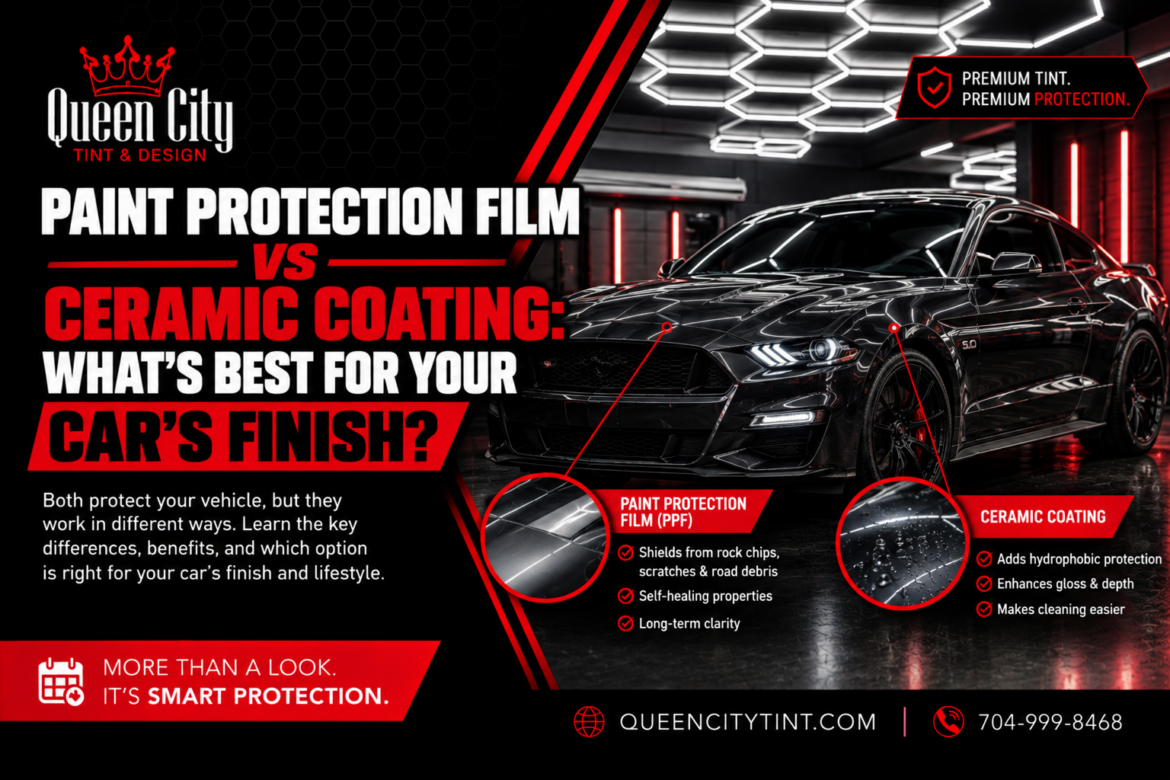
No, PPF and ceramic coatings serve different purposes. PPF is a physical, protective layer that guards against chips and scratches, while ceramic coatings offer chemical resistance, hydrophobicity, and enhanced gloss. Many car owners choose to use both for maximum protection.

Final Thoughts: Is Paint Protection Film Worth the Investment?

Ultimately, the decision to invest in paint protection film comes down to your priorities, your budget, and how much you value your vehicle’s appearance. For owners looking to maintain a flawless finish and maximize resale value, PPF offers proven, long-term benefits that often outweigh the initial costs. As with any investment, careful product selection and professional installation make all the difference.

Taking the step to protect your car with PPF is more than just a cosmetic decision. It’s a practical approach that pays dividends in appearance, value, and peace of mind. If these benefits align with your automotive goals, PPF is well worth considering.

How Long Does Window Tint Last? Tips to Maximize Its Lifespan

When it comes to enhancing your vehicle or home, window tinting stands out as a popular and practical solution. Not only does it improve privacy, it also provides protection from UV rays, minimizes glare, and can even keep interiors cooler.

One of the most common questions people have before investing in window tint is: how long does window tint actually last? Understanding the lifespan of window tint, and learning how to maximize it, can help you get the best value from your investment.

What Determines the Lifespan of Window Tint?

The longevity of window tinting largely depends on several key factors. Understanding these elements can help you set realistic expectations and take better care of your tinted windows.

Type and Quality of Tint: The market offers a variety of tints, including dyed, metallic, hybrid, and ceramic. High-quality ceramic tints tend to last the longest, sometimes well over a decade, while cheaper dyed tints may begin to fade or peel after just a few years. Investing in a reputable brand often leads to better long-term results.

Installation Technique: Even the best tint can suffer if it is not installed properly. Professional installation ensures the film adheres evenly without bubbles or creases, reducing the risk of premature peeling or cracking.

Climate and Sun Exposure: Constant exposure to intense sunlight, especially in hotter climates, can deteriorate window tint more quickly. UV rays are a major culprit in causing tints to fade or discolor over time.

Cleaning and Maintenance: Abrasive cleaning products and rough cloths can scratch or damage window tint. Gentle care is essential for maintaining both clarity and longevity.

Typical Lifespan of Different Window Tints

A well-installed, high-quality window tint can last for many years, but the specific duration varies:

  • Basic dyed film typically lasts between three and five years before showing signs of wear such as fading or bubbling.
  • Metalized and hybrid films are more durable, often lasting five to seven years.
  • Premium ceramic window tints can last between ten and fifteen years, sometimes even longer with proper care.

These are general estimates, and your actual results will depend on usage, environment, and upkeep.

Signs It Is Time to Replace Your Window Tint

Eventually, even the highest quality tint will need replacement. Here are the main signs to watch for:

  • Noticeable bubbling, creasing, or peeling
  • Significant discoloration or fading
  • Scratched or cloudy appearance that impedes visibility
  • Difficulty in maintaining cool temperatures inside your vehicle or home

If you notice these issues, replacing the tint sooner rather than later can help protect your interior and maintain the appearance of your windows.

Tips to Extend the Lifespan of Your Window Tint

Proper care and a little preventative maintenance can go a long way in ensuring your window tint serves you for years to come. Here’s how you can extend its lifespan:

Choose the Right Tint

Opting for a high-quality tint may cost more upfront, but it can make a significant difference in how long your tint endures. Always select a tint that is appropriate for your climate and intended use.

Trust Only Trained Installers

Professional application is crucial. Skilled installers know how to apply window tint evenly and securely, reducing the likelihood of bubbles and tears that accelerate wear and tear.

Wait Before Cleaning

After installation, allow your new tint film to cure, which typically takes three to five days. During this period, avoid lowering windows, cleaning the glass, or exposing it to excess moisture.

Clean Gently and Carefully

When it is time to clean, use a soft microfiber cloth and ammonia-free cleaning products. Avoid scrubbing vigorously and never use sharp objects near the tinted surface. Gentle cleaning prevents scratches and preserves clarity.

Limit Exposure When Possible

Parking in shaded areas or inside a garage helps protect your window tint from harsh sunlight, reducing the rate of fading and discoloration. Adding sunshades when parked for long periods can also help.

Frequently Asked Questions

How long after installation can I roll down my windows?

It is best to wait at least three to five days before rolling down your windows after tint installation. This gives the film time to fully cure and adhere to the glass, reducing the risk of peeling or wrinkling.

Does window tint fade over time?

Yes, all window tints will eventually fade due to sunlight exposure, but premium films with UV-blocking properties fade much more slowly than cheaper alternatives.

Can window tint be repaired, or must it be replaced?

Minor scratches and spots might be repairable, but generally, significant damage, peeling, or bubbling means the tint should be replaced for the best results.

Is there a difference between car and home window tint in terms of lifespan?

Both car and residential window tints can last for many years, particularly when high-quality materials are used. However, vehicle tints often experience more extreme temperature fluctuations and wear, which may influence their longevity.

Conclusion

Window tinting provides a multitude of benefits, from aesthetics to energy savings and UV protection. By choosing a high-quality product, ensuring professional installation, and practicing proper care, you can enjoy your window tint for many years. Like any investment in your vehicle or home, a little attention and maintenance pays off with lasting comfort and protection.

Follow Our Facebook

Vinyl Wrap Blue Matte


Facebook Page


This message is only visible to admins.
Problem displaying Facebook posts.
Click to show error
Error: Server configuration issue Error: No posts available for this Facebook ID

en_USEnglish