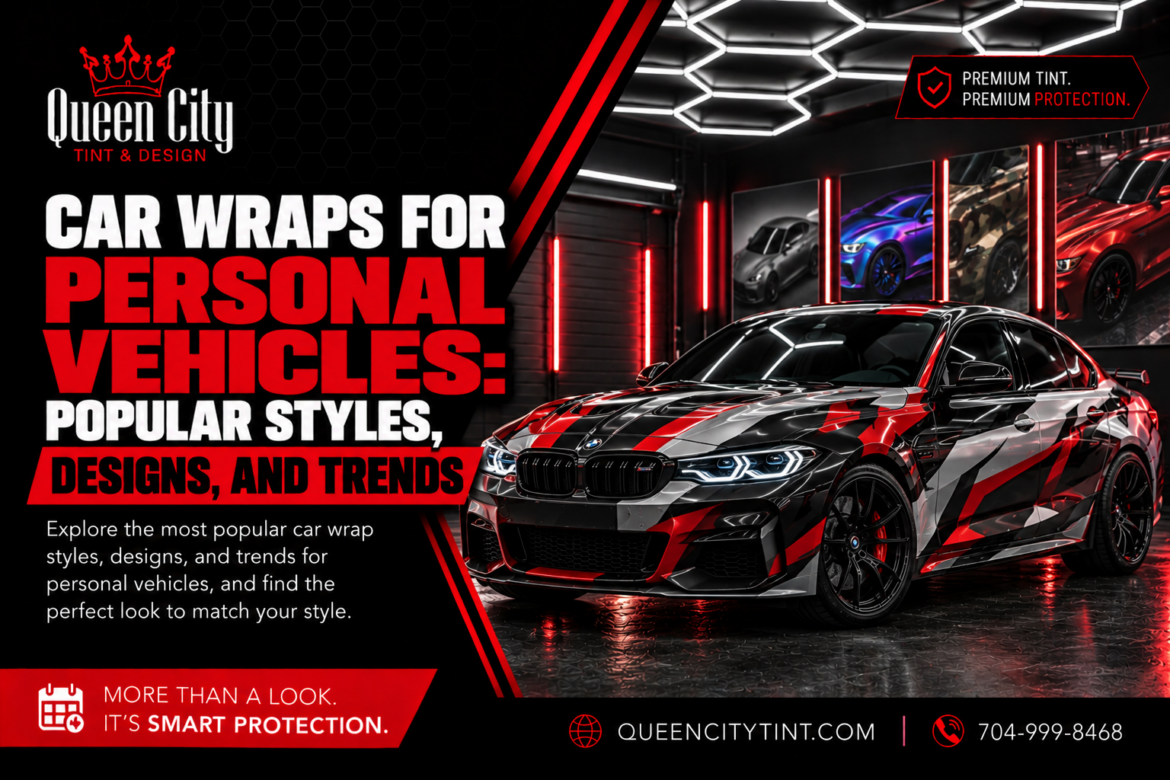
Car Wraps for Personal Vehicles: Popular Styles, Designs, and Trends

Car Wraps for Personal Vehicles: Popular Styles, Designs, and Trends

When it comes to personalizing and protecting your vehicle, few options are as versatile and visually dynamic as car wraps. Over the past decade, the popularity of car wraps in Charlotte and across the nation has skyrocketed.

As more drivers search for ways to make their cars stand out, wraps have evolved from simple color changes to a full spectrum of creative expression. Whether you want a unique design, a professional look, or a subtle touch of luxury, wraps offer almost limitless potential. In this article, we will explore the latest styles, top design trends, and the reasons why so many car owners are choosing wraps over traditional paint.

Understanding Car Wraps: The Basics

A car wrap is a large vinyl graphic or decal that is applied directly over the original paint of your vehicle. Unlike permanent paint jobs, wraps can be removed later without damage, making them an excellent option for those who want change without commitment. Wraps can fully cover the vehicle or just specific sections, such as the hood or roof. This approach allows tremendous flexibility, both in design and in budget.

Car wraps typically come in two main forms: color change wraps and printed graphics wraps. Color change wraps deliver a seamless, uniform look in a matte, satin, or gloss finish, while printed graphics allow for custom patterns, branding, or even photorealistic designs.

Popular Car Wrap Styles

The explosion of customization options in car wraps has brought about several distinct styles, each offering unique ways to express personality or achieve specific goals.

Matte and Satin Finishes

Matte finishes have been a mainstay of automotive trends for years. They are recognized by their non-reflective, soft texture, giving vehicles a modern and understated allure. Satin wraps, on the other hand, offer a middle ground between glossy and matte, providing a silky sheen that stands out without being too flashy. Both options are popular among car enthusiasts looking for an elegant and contemporary look.

Gloss and Metallic Wraps

Glossy wraps resemble a high-quality paint job but typically cost less and require less maintenance. Metallic wraps add an even greater dimension, often shimmering under sunlight, which gives the car a dynamic, high-end appearance. Variations such as chrome and brushed-metal finishes are especially popular with sports and luxury vehicles.

Textured and Specialty Films

For those who like to push boundaries, there are textured wraps that mimic carbon fiber, leather, or brushed aluminum. These materials add a tactile dimension to your car’s appearance, enhancing both visuals and touch.

Specialty films can even include glow-in-the-dark elements or color shifting pigments that vary based on the viewing angle and lighting conditions, ideal for those who truly want to make a statement.

Partial Wraps and Accents

If you prefer a subtle change, partial wraps can add color or custom graphics to hoods, roofs, mirrors, or racing stripes, without committing to a full vehicle transformation. This approach is perfect for drivers who want a unique touch while keeping costs low.

Trending Designs for Personal Vehicles

The creative scope of car wraps means trends are always evolving. Here are some of the leading design directions in Charlotte and beyond.

Color-Shift and Iridescent Wraps

Perhaps one of the most eye-catching trends is the rise of color-shift wraps. These iridescent films change hue depending on light and angle, resulting in a mesmerizing effect that never looks the same twice. For drivers who want a futuristic, ever-changing look, color-shift wraps are hard to beat.

Minimalist and Monochrome Looks

On the other end of the spectrum are minimalist designs. Single-color wraps in piano black, arctic white, or deep navy exude class and sophistication. More car owners are choosing simple, monochrome themes to communicate understated elegance, with subtle matte or satin finishes adding depth.

Custom Graphics and Personal Branding

With advanced printing technology, it is possible to create entirely custom designs that reflect hobbies, passions, or even professional branding. This trend is especially popular among entrepreneurs and influencers who wish to turn their vehicles into moving billboards or artistic statements.

Nature-Inspired Patterns

Leaf motifs, camouflage, stone textures, or aquatic designs are being chosen by those who want to bring the outdoors to their daily commute. These wraps are particularly popular with adventure enthusiasts or those who simply enjoy a touch of the unconventional.

Why Choose a Car Wrap?

The surge in demand for car wraps is not just about appearance. There are practical benefits as well:

  • Protection: Vinyl wraps shield your vehicle’s original paint from sun damage, minor abrasions, and road debris.
  • Flexibility: Unlike permanent paint, wraps can be changed to match new styles or trends.
  • Resale Value: Preserving the factory paint can help retain your vehicle’s value.
  • Advertising: For business owners, wraps offer an effective, mobile advertising solution.

Common Myths and Misconceptions

Although wraps are growing in popularity, some misconceptions persist. For example, many believe that wraps will damage their vehicle’s paint. In reality, quality wraps installed by professionals can be removed without harm, provided the original paint is in good condition.

Frequently Asked Questions

How long will a car wrap last?

Most high-quality vehicle wraps last between five and seven years, depending on sun exposure, daily use, and maintenance habits.

Can I wash my wrapped car like normal?

Yes, but it is best to avoid high-pressure washers and abrasive brushes. Use gentle soap and water, or consider professional wrap-friendly detailing.

Is a car wrap permanent?

No, wraps are designed to be removed. When taken off properly, they do not damage the paint underneath.

Does wrapping my car void my warranty?

Wraps do not typically void vehicle warranties, but it is wise to check your manufacturer’s guidelines first.

Conclusion

Car wraps represent a fusion of creativity, technology, and practicality. Whether you are in Charlotte or anywhere else, the sheer range of styles, finishes, and graphics now attainable has turned car wraps into a leading choice for personal vehicle customization.

From stealthy matte finishes to wild color-shifting designs, wraps offer something for everyone. More than just a cosmetic upgrade, they provide protection and adaptability, making them as functional as they are fashionable.
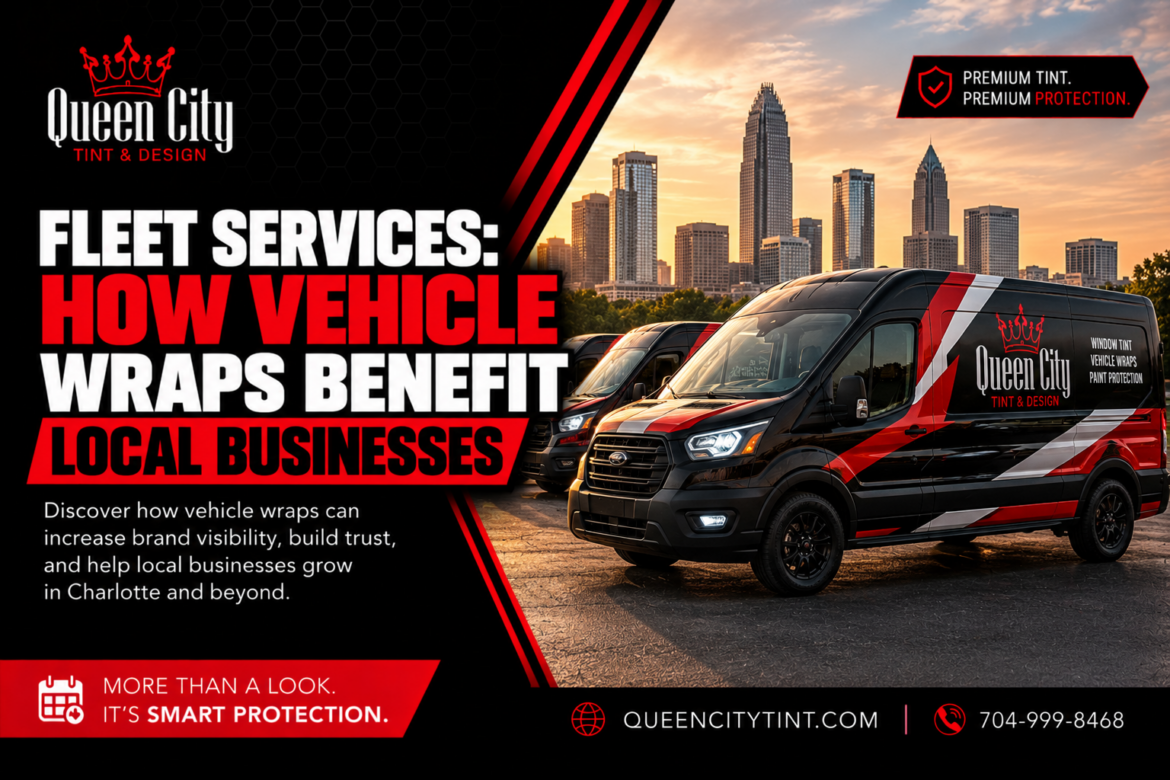
Fleet Services: How Vehicle Wraps Benefit Local Businesses

In a competitive marketplace, standing out is not just an advantage, it’s a necessity. For local businesses dependent on transportation, fleet vehicles are often the most visible extension of their brand. Yet, many companies are missing a powerful opportunity to transform these assets into moving advertisements.

At Queen City Tint, we’ve seen firsthand how professionally designed vehicle wraps can become the secret weapon for local businesses looking to amplify their brand presence, capture attention, and drive growth.

This article explores how vehicle wraps, as part of fleet services, bring real benefits to local companies. We’ll cover everything from brand exposure and cost efficiency to protection and professionalism. Whether your fleet consists of two cars or twenty vans, the right vehicle wrap strategy can make a dramatic impact on your business.

Maximizing Brand Visibility

The roads are crowded with potential customers, but capturing their interest is a unique challenge. Vehicle wraps turn traffic into opportunity. When your fleet vehicles are covered with eye-catching graphics and clear branding, every trip becomes a chance to showcase your business to hundreds, sometimes thousands, of viewers each day.

Unlike static signs or billboards, wrapped vehicles reach people where they live, work, and commute. Branding that is bold, creative, and memorably displayed on your vehicles builds recognition rapidly.

Customers are much more likely to remember your business if they see your logo and messaging repeatedly as they drive around town. Unlike fleeting digital ads, a wrapped vehicle makes a personal, tangible impression that can’t be clicked away or blocked by a filter.

Cost-Effective Advertising

Traditional advertising can eat up marketing budgets quickly, especially for small local businesses. Think about the recurring expenses of online ad campaigns, print media, or billboard rentals.

Now compare that to the one-time investment of a vehicle wrap, which typically lasts several years and provides a consistent, uninterrupted advertising presence. Vehicle wraps represent a highly cost-effective method for getting your company’s message in front of as many eyes as possible, every single day.

The “cost per impression” for vehicle wraps steadily goes down over time, making them one of the most affordable outdoor advertising strategies for local businesses. The return on investment is substantial because your fleet never stops promoting your brand.

Protection for Your Vehicles

Business owners understand that maintaining their fleet is not just about appearance, it’s about minimizing costs over the lifespan of their vehicles. High-quality vinyl wraps protect original paintwork from sun damage, chips, minor abrasions, and harsh weather conditions. This protective layer helps retain resale value and ensures vehicles always look fresh and well cared for.

If you decide to update your branding or change your promotional message, removing (or updating) a wrap causes no damage to the underlying paint. In fact, a well-maintained wrapped vehicle comes out with the same or better resale value compared to one that has been exposed to years of unprotected use.

Building Professionalism and Trust

A wrapped fleet instantly communicates professionalism. Customers notice details, and nothing signals organization and reliability like consistently branded service vehicles. When your trucks or vans arrive at a job site displaying your business identity, customers feel a greater sense of trust and recognition.

This professionalism not only impresses your clients, but also helps strengthen your reputation in the community. Well-branded vehicles show that you are serious about your business and your presence in the marketplace. As a local company, this perception can set you apart from larger, faceless competitors.

Versatility and Customization

Vehicle wraps offer unmatched flexibility in design and messaging. From subtle logos on car doors to full-coverage graphics on large vans, wraps can be tailored to fit any style, message, or promotional campaign. Updates can be made to highlight seasonal offers, new services, or company milestones, without the headaches of repainting or dealing with temporary signage.

The design process is collaborative, allowing you to work with experienced wrap designers to ensure your company’s branding remains clear, readable, and impactful. At Queen City Tint, we ensure that our wraps are meticulously installed for a seamless look, free from bubbles, wrinkles, or misalignments.

Eco-Friendly and Reversible

Modern vehicle wraps use environmentally friendly materials and can be removed cleanly when needed. This allows for flexibility in marketing and ensures you can change or upgrade your advertising approach without contributing to unnecessary waste or damage. For businesses prioritizing sustainability, this is an added benefit that aligns with modern values and customer expectations.

Frequently Asked Questions

How long does a vehicle wrap typically last?

A professional vehicle wrap can last five to seven years when cared for properly. Longevity depends on factors like sun exposure, driving conditions, and cleaning practices.

Will a wrap damage my vehicle’s paint?

No, quality vinyl wraps protect the paint underneath. In fact, they help prevent chips and fading. When installed and removed by professionals, there is no damage to the original finish.

Can I wrap leased vehicles?

Yes, most leased vehicles can be wrapped, but it’s best to confirm with your leasing agent first. Because wraps are removable, they offer a non-permanent way to brand your fleet without violating lease agreements.

What kind of designs work best for vehicle wraps?

The most effective wraps use bold colors, clear logos, and concise messaging. Too much information can clutter the design. Working with expert designers will ensure your wrap is legible and memorable at a glance.

Conclusion

Vehicle wraps offer local businesses a powerful, flexible, and cost-effective marketing strategy. By turning your fleet into rolling billboards, you benefit from increased brand visibility, long-term advertising savings, and an enhanced company image.

In the dynamic world of local business, wrapped vehicles are not just a cosmetic upgrade, they are a strategic investment that pays dividends with every mile driven. If you are ready to bring your brand to the streets and experience the benefits of fleet wraps firsthand, Queen City Tint is here to guide you through every step.

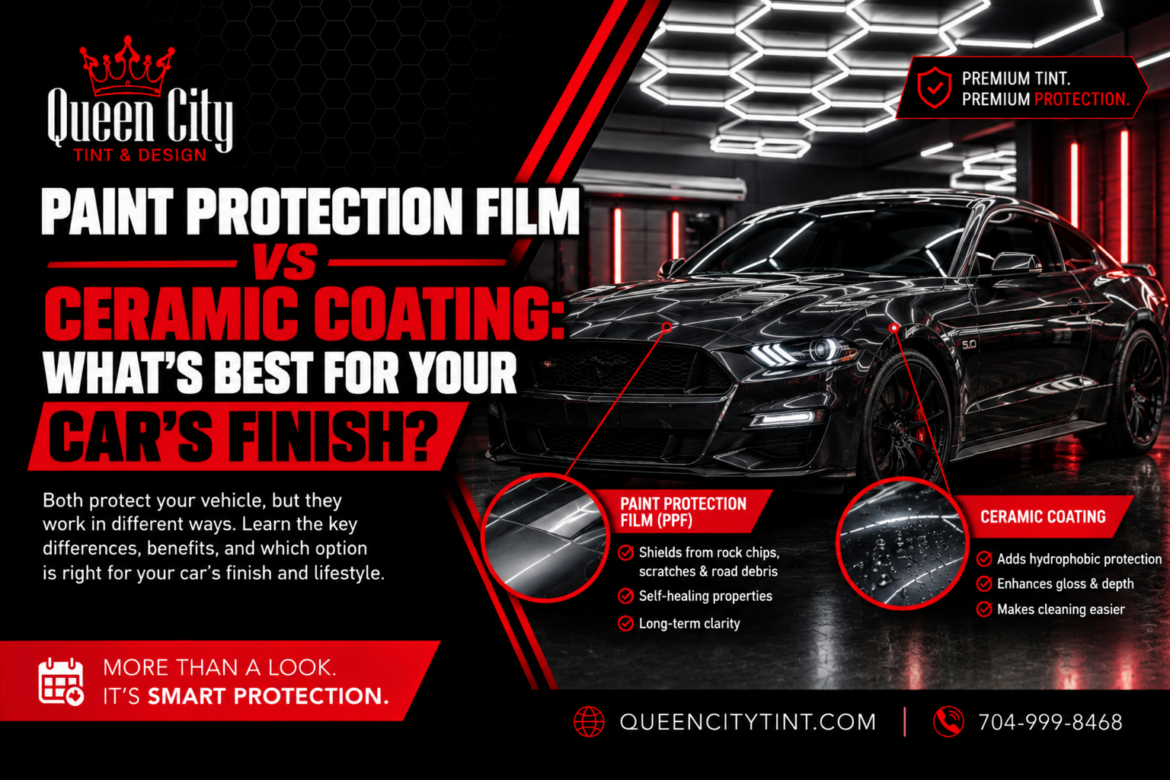
Paint Protection Film vs Ceramic Coating: What’s Best for Your Car’s Finish?

When it comes to preserving your vehicle’s appearance, few topics generate more debate among car enthusiasts and owners than the comparison between paint protection film and ceramic coating.

Both promise to safeguard your car’s finish from daily wear, UV rays, environmental hazards, and accidental scratches. But which one is right for your car and your investment? At Queen City Tint, we offer both premium solutions to the Charlotte community, so let’s break down the real-world differences and benefits of each option.

Understanding Paint Protection Film

Paint protection film is a virtually invisible polyurethane material applied directly onto the painted surfaces of your car. Its roots go back to military applications, but today, automotive paint protection films have evolved into sophisticated barriers that protect even the most delicate finishes.

Key Benefits of Paint Protection Film

  • Impact and Scratch Resistance
    Paint protection film is designed primarily to guard against road debris, rock chips, scratches, and light abrasions. The film acts as a sacrificial shield, absorbing impacts that would otherwise damage your paint.
  • Self-Healing Properties
    Many high-quality films offer self-healing capabilities. Small scratches and swirl marks disappear with the application of heat, whether from the sun or a warm water rinse.
  • Stain and Yellowing Resistance
    Modern paint protection films resist discoloration and will not yellow with UV exposure, keeping your finish crystal clear over time.
  • High-Gloss and Matte Options
    You can match the film to the look you want, whether maintaining factory gloss or adding a matte finish for a custom look.

Ideal Uses for Paint Protection Film

  • New vehicles to preserve showroom finish
  • High-value or collector cars
  • Daily drivers exposed to harsh road conditions
  • Owners seeking maximum impact protection

Maintenance of Paint Protection Film

Paint protection film is relatively low-maintenance. Regular washing with mild soap maintains its clarity. Depending on the quality and thickness of the film, it can last many years without needing replacement, especially if professionally installed.

What Is Ceramic Coating?

Ceramic coatings are liquid polymer solutions that bond chemically with your vehicle’s factory paint, creating a durable and hydrophobic surface. Unlike wax, which simply sits on top, ceramic coatings seal the paint with a hard, glass-like finish.

Key Benefits of Ceramic Coating

  • Hydrophobic Effect
    Water beads and dirt repels instantly, making routine cleaning faster and easier. This effect also keeps your car looking cleaner longer.
  • UV and Chemical Protection
    Ceramic coats help prevent oxidation, paint fade, and etching from acidic contaminants like bird droppings or tree sap.
  • Enhanced Gloss and Depth
    A well-applied ceramic coating delivers a rich shine, intensifying your car’s color and improving reflectivity.
  • Scratch Resistance (to a Degree)
    While not as robust against chips and direct impact as film, ceramic coatings add a light, scratch-resistant layer that reduces minor swirl marks.

Ideal Uses for Ceramic Coating

  • Daily driven vehicles needing easier cleaning
  • Owners wanting an ultra-glossy, “just-detailed” appearance
  • Those looking to protect against staining or chemical damage

Maintenance of Ceramic Coating

The key advantage of ceramic coating is its ease of maintenance. Regular washing keeps contaminants from settling, and washing is noticeably faster because water and grime slide off easily.

Head-to-Head: Which Option is Best for Your Car?

The decision ultimately hinges on your main priorities for car protection.

  • If you prioritize maximum protection from rock chips, scratches, and minor accidents, paint protection film offers unparalleled barrier strength. Paint protection film covers the physical impact zone, especially for high-risk areas such as bumpers, hoods, and fenders.
  • If daily cleaning, stain prevention, and a glossy finish are your priorities, ceramic coating shines. It makes cleaning effortless, enhances gloss, and prolongs paint health against environmental exposure.

For many car enthusiasts and owners, combining both options is the ultimate solution. Paint protection film is often applied to areas prone to damage while ceramic coating is used over the entire body for added shine and easy maintenance.

Frequently Asked Questions

What lasts longer paint protection film or ceramic coating?

Generally, paint protection film can outlast ceramic coatings when it comes to physical barrier properties. A high-quality film can last for five to ten years. Ceramic coatings, depending on the brand and aftercare, can last two to five years before reapplication is needed.

Is it possible to apply ceramic coating over paint protection film?

Absolutely. In fact, at Queen City Tint, we regularly apply ceramic coating on top of protection film for enhanced hydrophobic effect and simplified cleaning. The two products work together, not against each other.

Will either product prevent all rock chips or scratches?

While paint protection film is highly resistant, it is not indestructible. Ceramic coating, on the other hand, is scratch-resistant only to a degree. Neither makes your car immune, but both significantly reduce the chances of damage compared to unprotected paint.

How do I decide which is best for my lifestyle and vehicle?

Evaluate your driving habits, parking environment, the value of your car, and your maintenance preferences. A professional consultation can provide personalized recommendations based on your vehicle and how you use it.

Conclusion: Invest Wisely in Your Vehicle’s Future

Both paint protection film and ceramic coatings are smart, future-focused investments in your car’s appearance and resale value. Your final decision will depend on your goals. Do you want absolute physical barrier protection, or is your main concern appearance and ease of cleaning?

At Queen City Tint, our experts are ready to help Charlotte’s automotive community make informed decisions with honest advice and professional installation. Ready to preserve your vehicle’s shine and beauty? Contact us and discover the best option for your car’s finish.

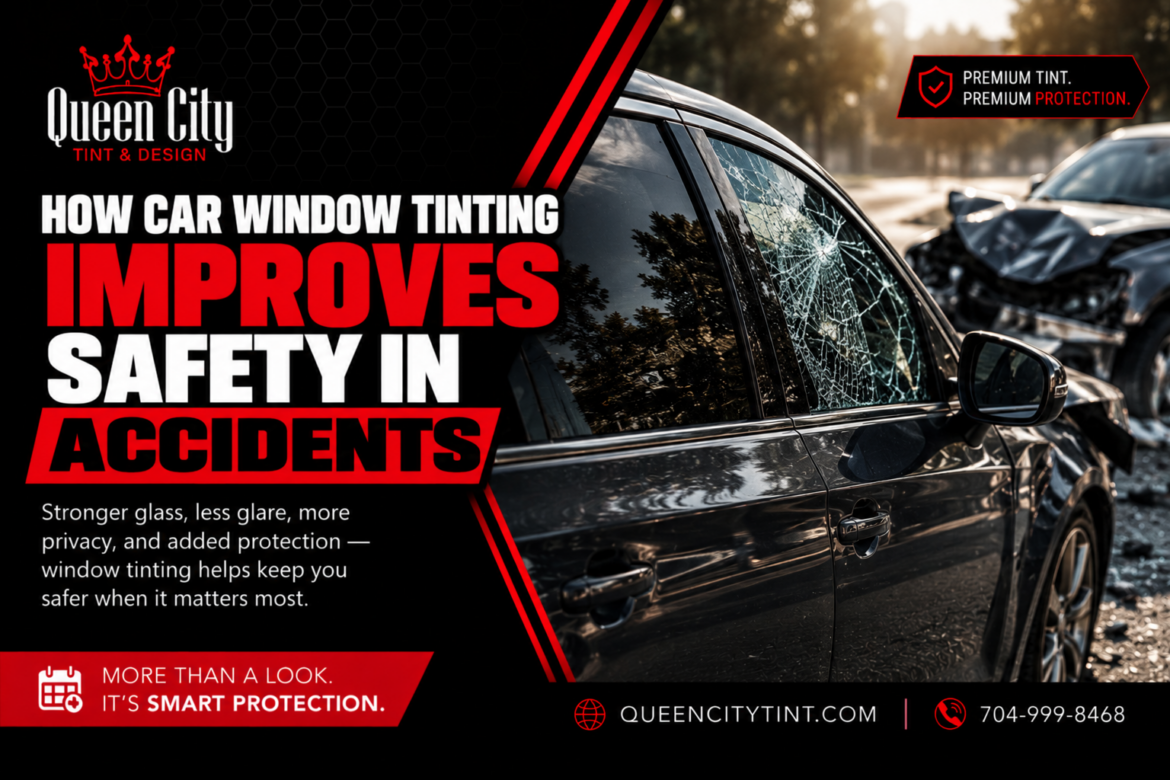
How Car Window Tinting Improves Safety in Accidents

When we think about car window tinting, most people picture a sleek appearance or a more comfortable ride, shaded from the harsh sun. But there’s a deeper reason to consider tinting for your vehicle: the potential safety benefits, especially during road accidents. While aesthetics and comfort sell the service, safety should not be overlooked.

Understanding Car Window Tinting

Car window tinting involves applying a thin film to the vehicle’s window glass. This film is engineered to control the amount of sun and heat that enters your car, but its capabilities go far beyond blocking rays.

Modern automotive window tints are made from advanced polymers and, depending on their grade, can be equipped to enhance structural integrity and passenger safety during unforeseen events.

The Science of Windows During Accidents

In the event of a collision, one of the primary threats to occupants is shattered glass. Automotive glass is manufactured to break into small, less-sharp pieces for safety, but in high-impact situations, these fragments can still cause injury. This is where quality window film comes into play. Even a thin tint film can hold broken glass together, preventing projectiles and minimizing injury risks.

Preventing Ejection and Injury

When a window breaks upon impact, the sudden rush of force can eject passengers or scatter shards at high speed. Window tint acts as a kind of safety net, binding the pieces together as the glass fractures. This containment drastically reduces the risk of ejection and decreases the likelihood of lacerations during a severe accident.

Enhanced Protection from Road Debris

Glass is not only at risk from impacts with other vehicles. During accidents, loose road debris or parts from surrounding cars can strike windows with great force. A window with applied tint is more likely to absorb and disperse this energy without instantly collapsing, buying precious moments and adding a layer of protection for everyone inside.

Improved Visibility Under Stressful Conditions

Accidents often occur during poor weather or staggered daylight conditions. Window tint minimizes glare from the sun and headlights, offering drivers a clearer, less overwhelming view of the road. In stressful accident scenarios, this slight advantage can help drivers make faster, more accurate decisions,  possibly avoiding or lessening the severity of a crash.

Safeguarding Valuables and Preventing Break-Ins After Accidents

It’s not the accident alone that can put you and your belongings at risk. A disabled vehicle may sit unattended before help arrives. Windows protected by tint make it harder for would-be thieves to gain access, as the layered film resists shattering and discourages smash-and-grab attempts.

Heat and UV Control for Accident Victims

After a crash, occupants could be forced to wait in their vehicle for extended periods. Window tint reduces interior heat and blocks harmful ultraviolet rays. This temperature control can be especially important if the car is disabled in the sun, helping reduce health risks for anyone waiting for emergency assistance.

Legal Compliances and Tinting for Safety

There are regulations regarding how dark or reflective your tint can be, and for good reason. Excessively dark windows can impact driver visibility at night. Reputable tinting businesses ensure their films offer safety and comfort without exceeding local legal limits. The right film lets you reap the safety benefits without creating new risks or legal hassle.

Why Queen City Tint Focuses on Safety

As specialists in auto window tinting, we emphasize films engineered for more than looks. Each installation at Queen City Tint considers factors like glass type, accident response, and compliance with safety standards. Our goal is not just to keep your vehicle cool or stylish, but also to ensure you and your loved ones have every possible defense during the moments that matter most.

Frequently Asked Questions

How does car window tint help during a car accident?

Window tint helps by holding broken glass together, making it less likely that sharp shards or entire panes will be projected into the car or onto its occupants during a collision. This added structure also slows down ejection of debris and people.

Will window tint make it harder for emergency responders to help me?

Modern vehicle window films are designed to allow sufficient visibility into the car. They do not prevent emergency responders from breaking glass if required, but they limit airborne glass fragments, offering more safety for you and for first responders.

Is window tint legal on front windows if I want improved safety?

Most states allow window tint on front windows up to a certain visible light transmission percentage. Always check your local regulations or consult a professional installer like Queen City Tint, we balance optimal safety with full legal compliance.

Besides safety, does tint affect my day-to-day driving?

Yes, in a positive way. Properly installed tint can minimize sun glare and eye strain, maintain a cooler cabin, and protect the interior from fading. These factors also play into safer, more comfortable driving all year round.

Conclusion

Car window tinting is an investment in much more than aesthetics. It plays a vital role in vehicle safety, particularly during accidents, helping prevent injuries, protect valuables, and increase overall occupant security.

For auto owners interested in not only style and comfort but also in practical accident protection, window tinting stands out as a wise choice. Consider both the everyday and unexpected benefits of tinting when thinking about your vehicle’s long-term safety.

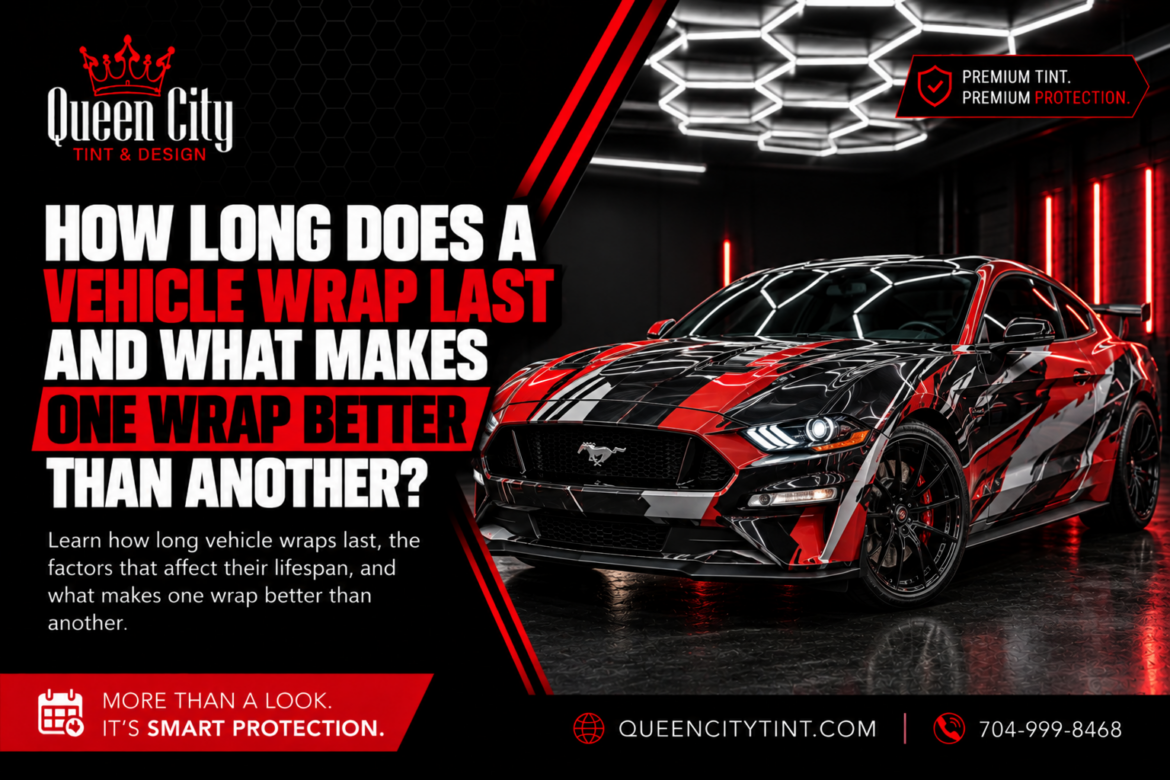
How Long Does a Vehicle Wrap Last and What Makes One Wrap Better Than Another?

When you invest in your car, you want it to look its best. One of the most exciting ways to transform your vehicle is by giving it a brand-new wrap. Whether it’s for advertising, personal style, or simply protecting the original paint, car wraps have become a popular solution for car enthusiasts and businesses alike.

But an important question remains: how long does a vehicle wrap last? And what actually makes one vehicle wrap superior to another? In this comprehensive guide, we’ll break down the key factors, the expected lifespan of a wrap, and what you should consider before scheduling your installation.

Understanding Vehicle Wraps: More Than Just Looks

A vehicle wrap is a thin vinyl film applied over the exterior surface of a car, truck, or van. Unlike paint, wraps can be removed without damaging the underlying surface. They come in a variety of colors, finishes, and textures. Whether you’re after a matte black to turn heads or want to display your business branding, wraps provide flexibility and visual impact.

How Long Will a Vehicle Wrap Really Last?

One of the first questions new clients ask is about durability. A professionally applied, high-quality vinyl wrap typically lasts anywhere from five to seven years. This range depends on several influential factors, both in the material itself and how you care for it.

Factors Affecting Longevity

Material Quality

Not all vinyl is created equal. The best wraps are made from premium cast vinyl, which can conform to the car’s curves without cracking or lifting. Cheaper, calendered vinyl may look similar at first but degrades much faster.

Professional Installation

A skilled installer ensures proper adhesion, precise cuts, and smooth edges. Poor installations commonly lead to bubbling, peeling, or premature lifting problems that will shorten the wrap’s life.

Climate and Exposure

Sun, rain, snow, and pollutants all take a toll on a vehicle wrap. Constant. unprotected exposure to UV rays will accelerate fading and aging. Parking your car in a garage or shady area can significantly extend a wrap’s life.

Maintenance Practices
Routine care is essential. Gentle hand washing and avoiding aggressive chemicals help preserve the color and finish. Automated brushes and power washers can lift edges and scratch the surface.

What Makes One Vehicle Wrap Better Than Another?

There’s more to a quality wrap than eye-catching graphics. Superior wraps are distinguished by four main traits:

Quality of Materials

Top-tier vinyl has enhanced UV protection and flexibility, resisting cracking and shrinking. 3M, Avery Dennison, and Oracal are examples of industry-leading materials, though even within these brands, there are different performance grades.

Printing and Ink

If your design is printed, the quality and durability of the ink matter. UV-resistant inks prevent colors from fading and maintain vibrancy over years, not just months.

Installation Technique

A high-quality wrap relies heavily on detail-oriented installers. From thorough surface cleaning to careful heat application at edges, it’s the small steps that prevent future peeling. Trusting a certified technician makes all the difference between a wrap that lasts and one that disappoints.

Warranty and Aftercare

The best wrappers stand behind their work with warranties on both material and labor. They should also guide customers to proper maintenance practices, ensuring the wrap looks great for years.

FAQs: Getting the Most Out of Your Vehicle Wrap

Q1: Can I take my wrapped car through the car wash?

Hand washing is always best for wrapped vehicles. Automatic washes, especially those with brushes, can peel up edges or scratch the vinyl. For the longest-lasting finish, use a gentle soap and microfiber towel.

Q2: Will a vinyl wrap damage my car’s original paint?

A professionally installed and properly removed vinyl wrap will not harm factory paintwork. In fact, it protects the surface from minor scratches and sun damage during its lifespan.

Q3: Can I wrap a car with dents or rust?

Vinyl adheres best to smooth, clean surfaces. Dents and rust spots can cause bubbling and imperfect adhesion, so it’s wise to address body issues before wrapping your vehicle.

Q4: How do I remove a vehicle wrap when it’s time for a change?

When ready to update your look or sell your car, a professional can safely remove the wrap without damaging the original finish. Attempting a DIY removal could result in adhesive residue or paint damage, so it’s best to trust the experts.

Practical Tips For a Longer-Lasting Car Wrap

  • Always park in shaded or covered areas when possible
  • Wash your car by hand and dry with soft towels
  • Address chips or peels immediately before they spread
  • Follow the manufacturer’s care recommendations

Final Thoughts

A vehicle wrap is an investment in style, branding, and protection. With proper care, you can enjoy eye-catching looks and paint protection for years. The differentiator between a wrap that lasts and one that fades away quickly comes down to materials, technique, and ongoing maintenance. Prioritize quality at every step from choosing the installer to caring for your car and your wrap will reward you with maximum lifespan and value.

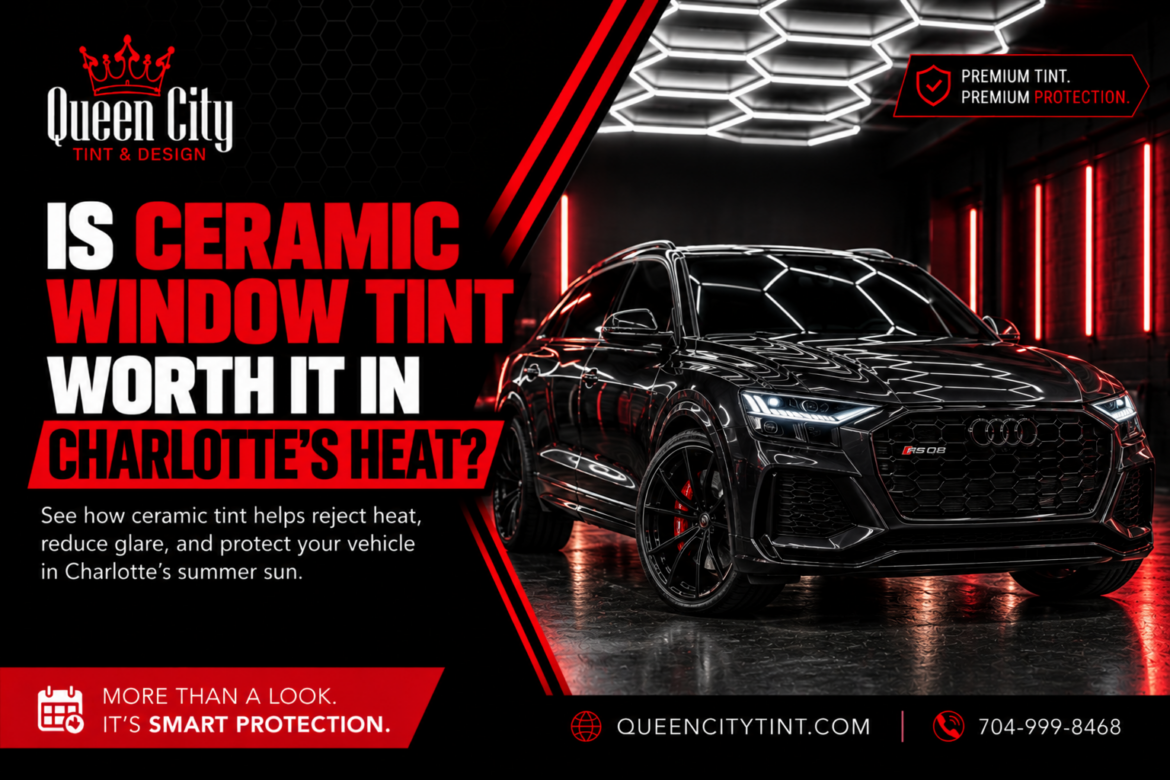
Is Ceramic Window Tint Worth It in Charlotte’s Heat?

Living in Charlotte, you know the summers can be relentless. Blazing sun, sticky humidity, and the feeling of stepping into a car that’s been transformed into an oven. Car owners in our area are always searching for ways to keep their vehicles comfortable, cool, and protected.

One solution that has gained traction in recent years is ceramic window tint. But what is it, and is it really worth the investment for Charlotte’s unique climate? Here’s what every car owner should know.

What Is Ceramic Window Tint?

Ceramic window tint is a modern, technologically advanced form of window film designed for vehicles. Unlike traditional dyed or metalized tints, ceramic tint contains non-metallic and non-conductive ceramic particles. These particles are virtually invisible to the naked eye but deliver impressive performance when it comes to blocking heat, UV rays, and glare.

Benefits of Ceramic Window Tint in Charlotte’s Climate

Superior Heat Rejection

Charlotte’s summer temperatures often soar into the nineties, making heat rejection a top priority. Ceramic window tint stands out for its exceptional ability to block infrared light the portion of sunlight responsible for most of the heat you feel inside your car. This heat-blocking feature means your air conditioning system doesn’t have to work as hard, keeping your vehicle cool and energy efficient even in the harshest conditions.

UV Protection for You and Your Car

Extended exposure to ultraviolet rays can harm your skin and damage your car’s interior. Ceramic window tint blocks up to 99% of UV rays, reducing your risk of skin cancer and ensuring your upholstery, dashboard, and other interior surfaces remain in top condition for years. In Charlotte, where sunlight is a part of daily life for much of the year, this layer of protection is more valuable than many realize.

Glare Reduction

Driving during sunrise or sunset in Charlotte can mean fighting intense sun glare on busy roads. Ceramic window tint effectively reduces glare, helping you maintain clear vision and stay safer behind the wheel, even when the sun is at its brightest.

No Signal Interference

Some older metallic tints can disrupt the effectiveness of cell phones, GPS devices, and radios. Ceramic tint, however, is non-metallic and won’t interfere with any electronic signals, ensuring your devices function perfectly while you drive.

Cost Considerations

It’s no secret that ceramic window tint is an investment. On average, it does cost more than basic dyed or metalized tints. But for many Charlotte residents, the added comfort, protection, and longevity offset the initial price difference. Plus, saving money on air conditioning and maintaining your car’s interior over time can lead to lower lifetime costs.

Is It Worth It for Charlotte Car Owners?

The short answer is yes. For those living in Charlotte, where sunny weather is both a blessing and a challenge, ceramic window tint offers an unmatched combination of comfort, protection, and style. It addresses not only the immediate problem of heat but also your long-term goals of preserving your vehicle’s value and maintaining a pleasant driving experience.

Ceramic tint is also highly durable. It resists fading, bubbling, and discoloration, ensuring that your vehicle looks sharp for years to come. And for drivers who care about aesthetics, ceramic tints come in a range of shades that can fit any style preference while remaining compliant with North Carolina’s regulations.

Frequently Asked Questions

How long does ceramic window tint last?

Ceramic window tints can last well over a decade when professionally installed and maintained. They are resistant to bubbling and fading, making them a long-term solution for your vehicle.

Does ceramic tint make my car too dark inside?

Ceramic tints come in various shades. You can select a lighter option that still blocks heat and UV rays effectively, so your interior won’t feel overly dark or reduce your visibility.

Can ceramic tint help with privacy and security?

Absolutely. While its main draw is heat and UV protection, ceramic window tint also adds an extra layer of privacy by making it harder for outsiders to see inside your car. Some ceramic tints are thick enough to help keep shattered glass together in case of an accident, providing additional safety.

Will ceramic window tint pay off in the long run?

Most car owners find that ceramic tint offers lasting value. It reduces reliance on air conditioning, helps preserve your interior, and may even enhance resale value by keeping the car in better condition.

Final Thoughts

Charlotte’s heat can be tough, but ceramic window tint gives drivers an advantage that goes beyond simple comfort. With its revolutionary heat rejection, UV protection, and clarity, ceramic window tint is a smart upgrade for anyone looking to get the most out of their vehicle both today and in the years to come. If you are weighing your options for window tinting in Charlotte, ceramic is a choice well worth considering for lasting results and a cooler, more enjoyable driving experience.

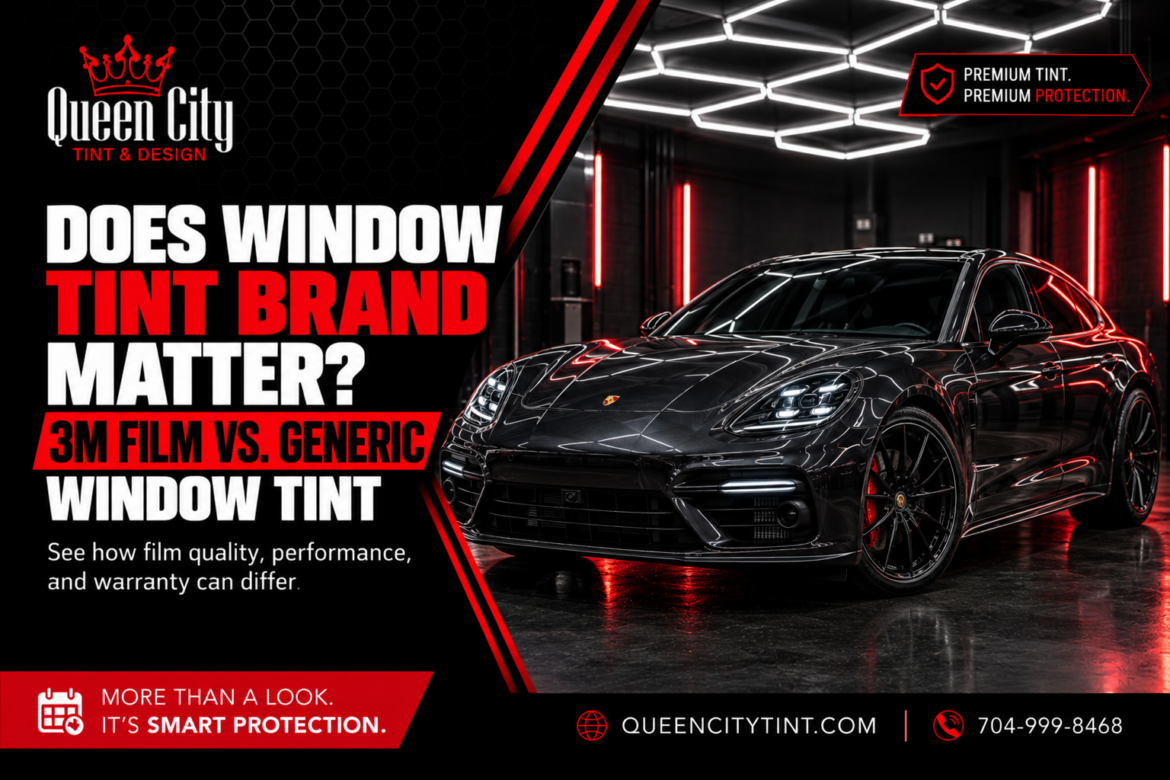
Does Window Tint Brand Matter? 3M Film vs. Generic Window Tint

When it comes to elevating the look and comfort of your vehicle, few customizations make as immediate an impact as window tinting. But as soon as you start exploring options, you’re confronted with a key decision: Does the window tint brand really make a difference, or can you save money with a generic tint film and still get the same results?

More specifically, automotive enthusiasts and everyday drivers alike often wonder whether premium names like 3M are actually worth the investment when generic alternatives seem so readily available and affordable.

If you care about the longevity, function, and appearance of your car, this is an important question to answer. Let’s look at what divides 3M films from generic options and why your decision might matter more than you think.

Understanding Window Tint: Quality Starts at the Source

Window tinting is more than just a dark film adhered to glass. Quality tint affects heat rejection, UV protection, glare reduction, and of course, privacy and aesthetics. With any automotive upgrade, the quality of materials determines both short- and long-term satisfaction.

When you choose a brand like 3M, you are investing in decades of research, precise engineering, and rigorous testing. In contrast, generic tints often sourced from unknown manufacturers can have questionable consistency and unpredictable results.

The Science Behind 3M Window Film

3M is regarded as a pioneer in the window film industry, and their reputation is built on technology. Their proprietary nano-ceramic and multi-layer optical films are designed specifically for maximum heat rejection without interfering with visibility or digital signals. With 3M, installation specialists often note the material’s flexibility and consistent thickness, which make for a flawless application and strong adhesion to glass.

A critical point to consider is the level of ultraviolet (UV) protection. 3M films commonly block over ninety nine percent of UV rays, helping protect both your car’s interior and your skin. This is a detail some generic films simply cannot match, even when they are “dark” enough to provide privacy.

Durability and Warranty: Does It Pay Off Down the Road?

One of the most overlooked aspects of window tint choice is longevity. Quality films like those made by 3M are scratch-resistant, fade-resistant, and less likely to bubble or peel over time. In contrast, generic tint films often start to degrade after just a year or two, especially under constant sun exposure.

When problems inevitably arise, warranty coverage is another separating factor. 3M stands by its products and provides comprehensive warranties that are honored at certified locations nationwide.

Generic films may come with little to no warranty, or warranties that are difficult to claim. When you factor in the cost of removal and reinstallation in case of failure, the initial savings of generic film can quickly disappear.

Installation Experience: Why Professional Quality Matters

A high-quality tint requires a skilled installer regardless of film brand, but professional films are engineered for easier and more reliable application. Installers are trained on brands like 3M, which reduces mistakes and minimizes the risk of imperfections such as streaks, air pockets, or gaps. Generic tint can be inconsistent in its adhesive or thickness, making it more challenging to work with, especially on curved windows.

Price: Comparing Upfront Cost and Long-Term Value

Generic window tint will almost always be cheaper upfront. If you are only interested in the immediate look and do not mind the risk of tint deterioration, bubbling, or color change, then generic film might seem attractive at first glance.

However, most vehicle owners looking for a return on investment should think a step ahead. Professionals and car lovers recognize that quality window film maintains your car’s value, preserves interior surfaces, and enhances comfort for years to come while generic tint may require repeated installations, costing more in the long run.

Appearance and Aesthetic Differences

Not all tints are created equal when it comes to appearance. 3M film tends to have a neutral, elegant look a product of precise manufacturing. Generic window tint can often look uneven or develop a purple hue after prolonged sun exposure. For those who care about the subtle details, consistently branded film offers a clear edge.

Frequently Asked Questions

Does higher-quality window tint really block more heat?

Yes, premium brands like 3M use advanced materials that are specifically engineered to reject higher levels of solar heat compared to most generic tints. This results in a cooler and more comfortable vehicle interior.

Will generic window tint damage my car’s windows?

While not all generic tints are harmful, lower-quality films may utilize adhesives that are difficult to remove or could even etch the glass if left on too long. Brands like 3M are developed to avoid such issues.

Is warranty important when choosing window tint?

Absolutely. A reputable warranty provides peace of mind that your investment is protected. It also reflects the manufacturer’s confidence in their product’s longevity and performance, something often lacking with off-brand films.

Can I get high-quality installation with generic tint?

A talented installer can improve the result, but the final quality will always be limited by the film used. The best craftsmanship cannot fully compensate for a product’s material shortcomings.

Final Thoughts: Does Brand Matter for Window Tint?

When you are investing in your vehicle’s appearance, comfort, and future resale value, the brand of window tint you choose is more than a detail it’s a decision that shapes your long-term satisfaction.

While generic window tints may offer a tempting price advantage, they commonly fall short in durability, appearance, performance, and warranty coverage. Leading brands like 3M provide advanced material science, industry-leading UV protection, and stand behind their product with robust warranties.

If you want worry-free driving comfort and an upgrade that truly lasts, brand does matter. The film you choose today can enhance your car for years to come.

Ceramic vs. Carbon Window Tint: Which Is Better for Charlotte Drivers?

When the North Carolina sun beats down on Charlotte’s busy streets, drivers know the value of good window tint. But choosing the right type can be confusing, especially when it comes to the debate between ceramic and carbon window tints.

Both have their distinct advantages, and both can improve the look and comfort of your vehicle. However, if you want to make the best decision for your needs as a Charlotte driver, it’s important to look closely at how each option performs in real-world conditions.

Understanding Window Tint Basics

Window tint is more than a styling choice. Quality tint can reduce glare, block harmful UV rays, lower interior temperatures, and provide privacy from prying eyes. While dyed and metallic tints are common, modern options like carbon and ceramic tint offer superior performance for those who seek more than just aesthetics.

What Is Carbon Window Tint?

Carbon window tint is an advanced film made with carbon particles interspersed throughout the material. This type of tint delivers a matte finish that not only looks sophisticated but also resists fading over time.

Carbon tints are known for their ability to block out a significant amount of infrared light, which translates to better heat rejection, keeping your car cooler during Charlotte’s hot summers.

A major benefit of carbon tint is that it doesn’t contain any metals, so you won’t have to worry about signal interference with GPS, satellite radio, or cell phones. Its fade-resistant property means that your car windows continue looking crisp year after year.

What Is Ceramic Window Tint?

Ceramic window tint represents the latest in tint technology. This film is constructed using microscopic ceramic particles that are invisible to the naked eye yet incredibly effective at blocking heat and UV radiation.

Ceramic tint offers top-tier protection against both ultraviolet and infrared rays. Ultraviolet rays are the primary culprit behind sunburn, skin aging, and interior fading, while infrared rays are responsible for the feeling of heat inside your vehicle.

Ceramic tint is recognized for maintaining visibility. That means reduced glare and enhanced clarity while retaining the non-metallic, non-conductive benefits of carbon tint. No interference with electronic devices, plus the bonus of excellent shatter resistance due to its higher-quality build.

Comparing Durability and Longevity

Durability matters in a tint, especially when you plan to keep your vehicle for years. Both carbon and ceramic tints offer strong performance over time. Carbon tints provide a noticeable improvement over older dyed films and are unlikely to fade or turn purple with age.

Ceramic tints take this a step further. They are extremely stable, highly resistant to fading, and less likely to bubble, peel, or develop discoloration. For Charlotte drivers who want a lasting investment, ceramic is generally considered the more robust choice.

Heat and UV Protection in Charlotte’s Climate

Charlotte drivers are all too familiar with steamy summers and bright sunshine. One of the biggest factors to consider is how well a tint performs against heat and UV rays. Carbon tint blocks up to forty percent of infrared light and nearly all UV rays, which is impressive and brings noticeable comfort on sweltering days.

Ceramic tint, however, is the gold standard for heat and UV protection. It can block up to fifty percent or more of total solar energy and nearly one hundred percent of UV rays. The net benefit is not just cooler interiors but better protection for your skin and for your car’s upholstery and dashboard. That makes ceramic tint especially attractive for anyone who logs frequent hours on Charlotte’s highways or wants to protect a cherished vehicle from long-term sun exposure.

Style and Aesthetics

Style is subjective but important. Carbon tint offers a deep matte finish that many drivers appreciate for its elegant yet understated appearance. Ceramic tint appears similar but often offers a slightly more “factory” look, blending seamlessly with luxury or high-end vehicles. Both types look sleek, but ceramic may offer a touch more subtlety and clarity, especially at lighter tint percentages.

Value and Cost Considerations

Price is a deciding factor for many drivers. Carbon window tint is more expensive than standard dyed film but significantly more budget-friendly than ceramic options. Ceramic tint is the premium choice, with a price to match.

If you’re focused on the best possible performance and longevity, ceramic is a strong investment. For those seeking improved comfort and appearance at a reasonable cost, carbon tint remains a popular and effective option.

Which One Should Charlotte Drivers Choose?

The decision comes down to your priorities. If you want maximum heat reduction, UV protection, and clarity without concern for cost, ceramic window tint is the superior choice. If you seek solid performance, durability, and a cool look without breaking the bank, carbon tint is a strong contender. With both options, you avoid the drawbacks of metallic films, such as electronic interference.

Frequently Asked Questions

How long does ceramic window tint last compared to carbon tint

Ceramic tint often outlasts carbon tint due to its superior materials and construction. While both are highly durable, you can typically expect ceramic tint to maintain clarity and performance for ten years or more with proper care.

Does carbon or ceramic window tint affect electronic devices?

Neither carbon nor ceramic tints contain metals, so they will not interfere with your GPS, cell phone, or radio signals.

Is ceramic tint really worth the extra money?

For drivers who value heat rejection, UV protection, and longevity, the investment in ceramic tint usually pays off in terms of comfort, vehicle preservation, and energy saving. For budget-conscious drivers, carbon still delivers excellent performance without the premium price.

Can I install window tint myself?

DIY kits exist but professional installation is recommended. This ensures a flawless finish and avoids issues like bubbling, peeling, or legal non-compliance with North Carolina window tint laws.

Conclusion

When choosing between ceramic and carbon window tint for your car in Charlotte, weigh your needs for protection, aesthetics, and price. Both options offer excellent improvements over older tint technologies, but ceramic leads for those who demand the best possible performance and durability. Whichever you choose, you’ll enjoy a cooler, safer, and better-looking drive around the Queen City.

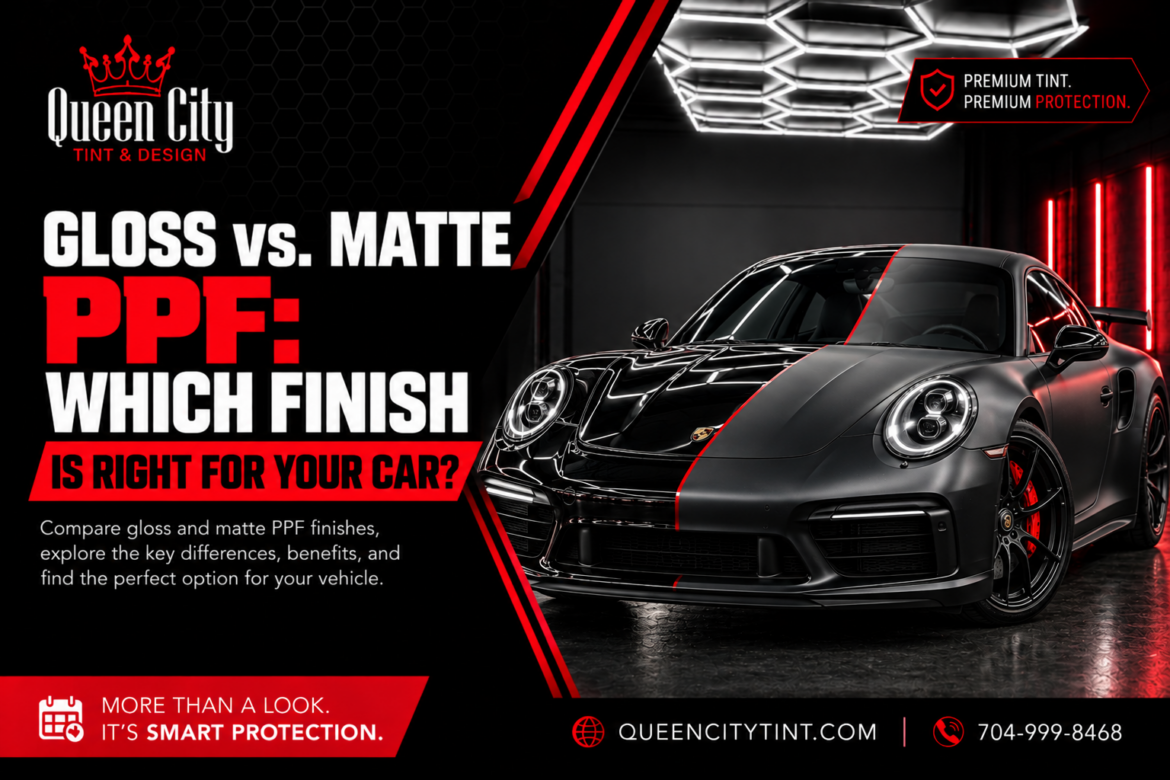
Gloss vs. Matte PPF: Which Finish Is Right for Your Car?

When it comes to protecting the paint on your vehicle, paint protection film (PPF) stands out as one of the most effective options. This transparent or colored film acts as a shield, preventing damage from road debris, weather, and the sun’s harsh rays. But even within the world of PPF, car owners face a significant decision: should you choose gloss or matte finish?

Both finishes deliver outstanding protection, but they offer distinct visual effects and experiences. Your personal style, driving habits, and even how you want to maintain your car can all influence the best choice for you. Let’s dive into what sets gloss and matte PPF apart and help you decide which finish is the best fit for your vehicle.

What Is Paint Protection Film?

Paint protection film is a clear, durable layer applied to the painted surfaces of your car. It helps prevent scratches, swirl marks, stone chips, and minor abrasions that often occur during everyday use. PPF is also engineered to withstand UV radiation, so your paint color remains vibrant.

Modern PPF comes in various finishes, with gloss and matte being the most popular. These options not only protect but also transform the appearance of your car, allowing you to personalize it according to your taste.

Understanding Gloss PPF

Gloss paint protection film is designed to enhance your car’s existing shine. Think of it as a crystal-clear coat that adds extra depth and brilliance to your vehicle’s finish. By mimicking the reflective properties of high-quality clear-coat paint, gloss PPF makes any color pop, delivering a showroom-like appearance year-round.

Key Advantages of Gloss PPF

Gloss PPF provides a familiar look for those who love a deep, sparkling finish. The gloss effect is ideal if you want your car’s vibrant colors to stand out.

Because the gloss finish is similar to standard automotive paint, most minor scratches and swirl marks are less noticeable. Many gloss films also have self-healing properties, using heat from the sun or a warm water rinse to erase fine scratches.

When it comes to maintenance, gloss PPF is easy to wash and wax. Water, dirt, and road grime tend to slide off its slick surface more easily, so routine cleaning is straightforward.

Exploring Matte PPF

Matte paint protection film changes your vehicle’s appearance by providing a flat, non-reflective finish. This look is bold and contemporary, creating an understated aesthetic that is increasingly popular among car enthusiasts.

Why Choose Matte PPF?

Matte PPF is perfect for those seeking a unique, stealthy look. Black, white, and grey vehicles particularly benefit from this transformation, appearing more aggressive and modern. Matte film can also be used to create two-tone effects, such as a matte hood with gloss elsewhere, delivering a truly customized style.

Unlike gloss PPF, matte film masks imperfections, but it requires specially-formulated cleaning solutions and more careful washing techniques. Standard waxes and polishes can make the surface shiny, which ruins the intended effect.

Which PPF Finish Is Best for You?

Ultimately, the choice depends on your personal preferences and how you use your vehicle.

  • Choose gloss PPF if you love the classic mirror finish, want easy maintenance, and prefer your paint’s color to appear more intense and vibrant.
  • Opt for matte PPF if you want to stand out with a unique look, appreciate a muted and modern style, and don’t mind spending a little extra time on cleaning and care.

Some drivers even combine the two finishes for a one-of-a-kind appearance. No matter which you pick, both films offer the same high level of protection against environmental hazards.

Maintenance Considerations

No matter your choice, both types of PPF make washing your car easier by repelling water and grime. However, maintaining matte PPF demands more diligence. Regular gloss-safe shampoos typically do not work well on matte finishes, and you must avoid anything that adds shine.

Gloss PPF, on the other hand, is more forgiving. It accommodates waxing and polishing, so upkeep is much like taking care of a traditional painted car.

Longevity and Durability

High-quality PPF films last between five to ten years with proper care, regardless of the finish. The main difference lies in how visible wear and minor marks appear. Scratches are often less visible on matte films, but they can mar the uniform surface if not treated correctly.

FAQ

What is the main difference between gloss and matte PPF?

Gloss PPF delivers a shiny, reflective look, while matte PPF creates a modern, flat appearance. Both offer the same level of paint protection but differ in how they change your car’s aesthetics.

Does matte PPF require more maintenance than gloss PPF?

Matte PPF does require more careful cleaning, as standard waxes and polishes may create unwanted shine. Special care products designed for matte finishes are recommended.

Can I switch from gloss to matte PPF later?

Yes, PPF can be removed and replaced by a professional. If you want to change the finish in the future, this is possible, but it requires a complete reapplication.

Will PPF affect the resale value of my car?

Paint protection film, whether gloss or matte, can help maintain your vehicle’s paint in excellent condition, often improving resale value by preventing chips, scratches, and UV damage.

Conclusion

There is no universally right answer to the gloss vs. matte PPF debate, only what’s right for your vehicle and lifestyle. Consider how you want your car to look every time you approach it, how much time you’re willing to spend on maintenance, and your personal tastes.

Both finishes offer significant value, enhancing your vehicle’s appearance while defending its paintwork against the hazards of daily driving. Whether you select a luminous gloss or a daring matte, you’re making a smart investment in your car’s future.

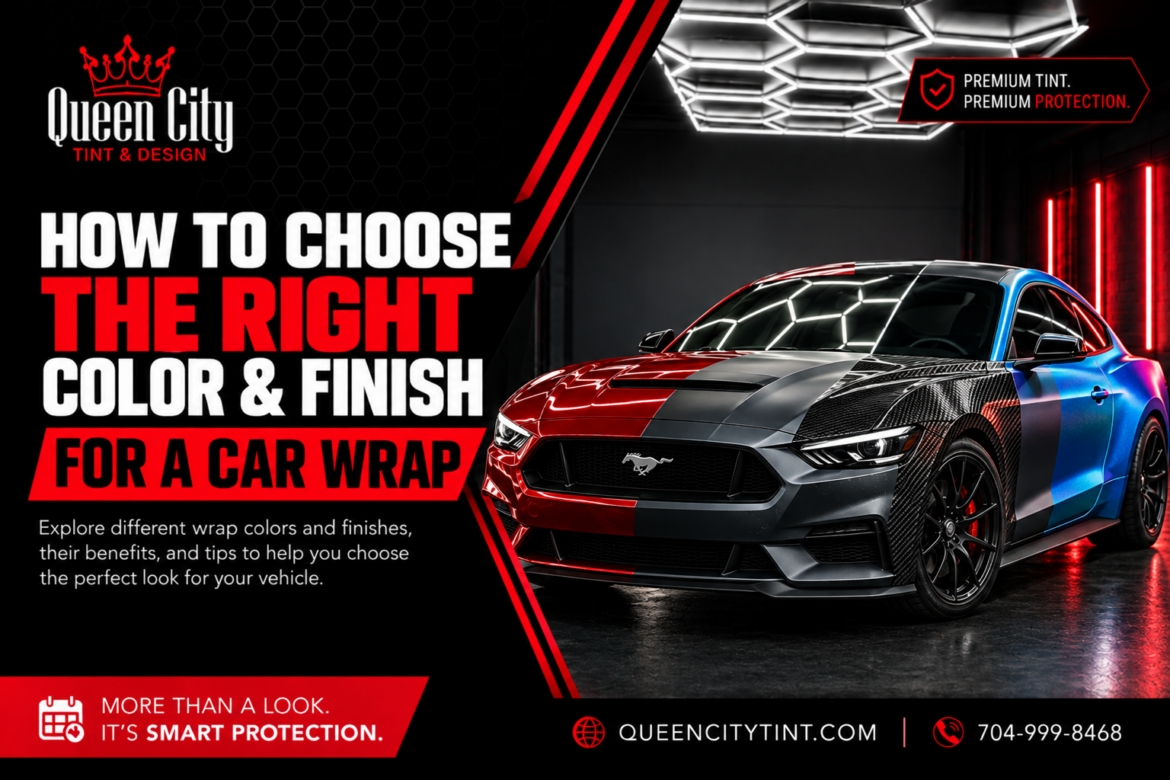
How to Choose the Right Color & Finish for a Car Wrap

Choosing a car wrap is not just about protecting your vehicle’s paint or updating its look. It’s about making a statement on the road. Whether you aim for elegance, sportiness, or a unique identity, selecting the right color and finish is essential. The process can seem overwhelming due to the seemingly endless options. This guide helps you discover the perfect combination that fits your style, practical needs, and budget.

Understanding the Basics of Car Wraps

A car wrap is a vinyl film applied over your vehicle’s body panels. It can completely change your vehicle’s appearance while protecting the original paint underneath. Car wraps offer flexibility: you can go for solid colors, creative patterns, or even striking graphics. However, the initial step is to choose the right color and finish, which have a tremendous impact on your vehicle’s aesthetics and even its resale value.

Key Factors to Consider When Selecting Car Wrap Colors

Your personal taste is crucial, but choosing a wrap color also involves considering the vehicle’s model and purpose. Do you drive a business vehicle and want to signal professionalism, or is your car a passion project for car shows?

Think about your climate and environment as well. Light colors like white or silver reflect sunlight and can keep your car cooler in hot climates. Darker shades such as black, blue, or dark green tend to accentuate sleek lines and hide dirt for longer, but they can absorb more heat.

Current trends might inspire you, with popular choices ranging from understated matte grays to bold, iridescent finishes. But trends shift quickly, and something that is fashionable now might become dated in a few years. Timeless classics like silver, navy, and black never go out of style, while custom shades can help you stand out if that’s your goal.

Exploring Car Wrap Finishes

Once you decide on a color, the next consideration is the finish. The finish can completely change the effect of the color itself and the overall impression made by your vehicle.

Gloss Wrap

This is the most popular and familiar finish, closely resembling traditional automotive paint. Gloss wraps are excellent at highlighting a car’s curves and details. If you want a look that is clean and universally appealing, gloss is a safe and attractive choice.

Matte Wrap

Matte finishes are trendy and lend a sleek, understated look. They absorb light rather than reflect it, resulting in a refined appearance. Matte wraps are ideal for those who want their car to stand out in a subtle way.

Satin Wrap

Offering a balance between gloss and matte, satin wraps feature a silky sheen. They deliver a modern, sophisticated look that draws attention without being too flashy.

Metallic and Chrome Wraps

For maximum visual impact, metallic and chrome finishes provide unmatched shimmer. These finishes are especially popular for sports cars and show vehicles. However, they require more maintenance and tend to show imperfections more easily than other finishes.

Textured Wraps

Options like carbon fiber or brushed metal add depth and tactile appeal to your car wrap. These specialty finishes work well for accents or to convey a high-performance vibe.

Practical Considerations Before Making a Decision

While aesthetics are important, it’s also vital to think about longevity, maintenance, and cost. High-gloss and chrome wraps, for example, might require more regular cleaning and can be more susceptible to scratches.

Matte wraps may be trickier to repair if damaged since matching the shade perfectly can be challenging. It’s wise to ask your installer for care instructions specific to your chosen wrap type.

If you plan to resell the car or remove the wrap after some time, select neutral colors and classic finishes. Bright or custom options might limit your resale market or increase removal cost.

The Impact of Lighting and Surroundings

Colors and finishes often look different in the showroom compared to outside in natural light. Always view wrap samples in natural daylight. Walk around your vehicle and look at the sample from different angles and in different lighting to see how the wrap’s hue and sheen respond.

Professional Installation Matters

No matter which color and finish you select, the skill of your installer will determine the end result. Poor installation can lead to unsightly seams, bubbles, or peeling. Choose a professional with a strong portfolio in your preferred wrap style.

Frequently Asked Questions

What is the most popular car wrap color?

Gloss black remains one of the top choices because of its timeless appeal and versatility. Matte gray and satin white have also gained popularity for their modern look.

Are certain wrap finishes harder to maintain?

Gloss and metallic wraps typically show scratches or swirl marks more readily but are easy to clean. Matte and satin finishes can be more sensitive to certain cleaning products and may require special care to avoid staining or uneven fading.

Does a car wrap affect resale value?

A well-maintained wrap can protect the original paint and even boost resale value if the new buyer appreciates the style. However, bright or unusual colors may make the car less appealing to a broad audience.

How long does a car wrap last?

Most quality vinyl wraps last between five to seven years with proper maintenance. Durability depends on the type of wrap, climate, and level of sun exposure.

Conclusion: Make the Right Statement

Selecting the right color and finish for your car wrap involves a careful balance of style, practicality, and maintenance priorities. Think beyond the present trend and consider how the color and finish will reflect your personal brand or business image over time. If in doubt, consult with a professional installer who can guide you through the selection process and help you visualize the possibilities.

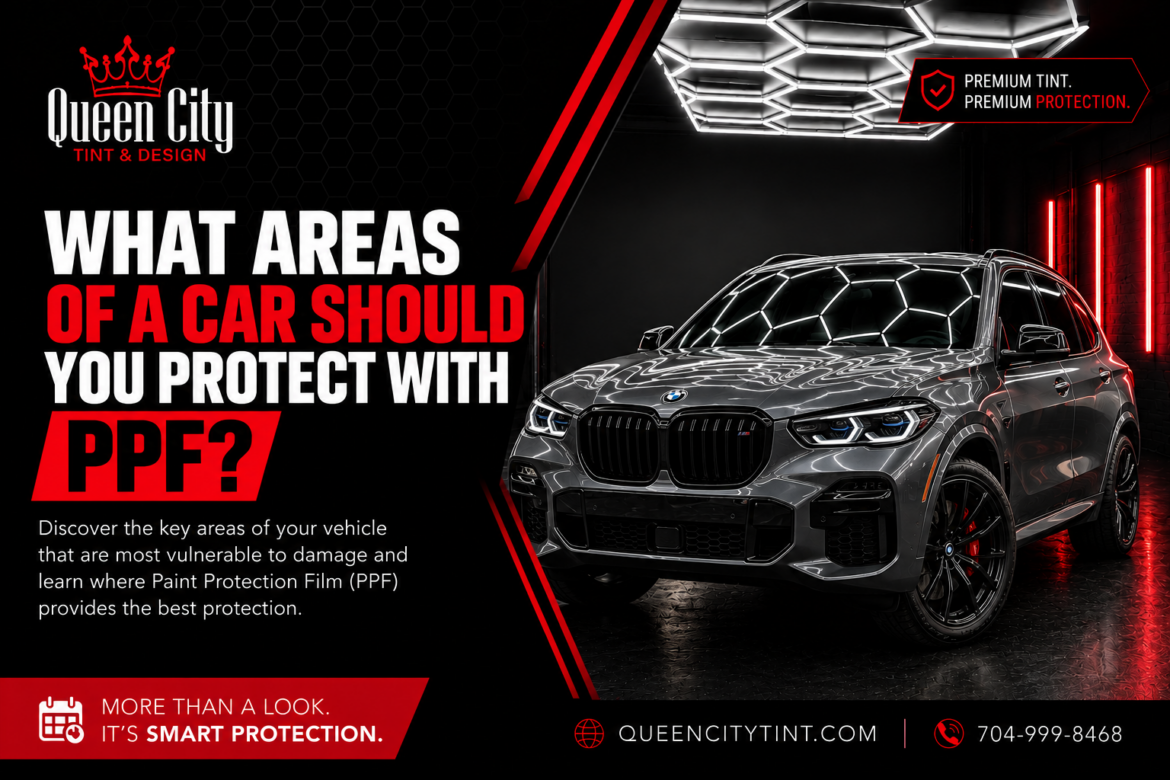
What Areas of a Car Should You Protect With PPF?

Anyone who cares about maintaining their car’s value and appearance will come across the term PPF, short for Paint Protection Film. In today’s world where our vehicles face everything from dust and gravel to bird droppings and harsh UV rays, it’s no wonder PPF is growing in popularity.

This clear, nearly invisible film serves as a crucial first line of defense for your paintwork, but what are the smartest areas of your car to cover for the best results? In this article, we’ll explore key zones that benefit most from PPF and how this investment can serve you for years to come.

Understanding Paint Protection Film

Before choosing where to apply PPF, let’s briefly clarify what it does. PPF is a thermoplastic urethane film that is applied to painted surfaces of a car in order to shield them from physical and environmental damage. It acts like a sacrificial coat, taking the brunt of chips and scratches so your original paint stays pristine.

PPF is transparent, flexible, and designed for long-term durability. Most modern films also come with self-healing properties, meaning minor scratches disappear when exposed to heat. This innovation makes PPF ideal for car owners who want to keep their paint looking showroom fresh.

Why Selective Coverage Makes Sense

While some enthusiasts opt for full-body wraps, most car owners find targeted PPF coverage provides outstanding protection at a sensible price. Focusing on high-impact and high-touch areas maximizes the film’s value. Not every inch of your car faces the same threat, so strategic placement is both financially and functionally sound.

Let’s look at the most important zones for PPF application.

1. Front Bumper

The front bumper bears the brunt of daily driving hazards. Road debris, stones, and bugs all hit this area first. A PPF layer here prevents unsightly chips, scuffs, and bug stain etches that are otherwise all too common.

2. Hood

Next to the bumper, the hood is among the largest surfaces facing forward. This makes it vulnerable to stone impacts kicked up by vehicles ahead. Even small chips can quickly lead to corrosion, especially when exposed to rain or road salt. Protecting the full hood or even a partial section near the leading edge can save significant expense and preserve curb appeal.

3. Fenders and Side Mirrors

Front fenders and side mirrors are constantly exposed to lateral debris flung up by your own tires or vehicles in adjacent lanes. Because mirrors protrude, they are especially likely to take direct hits from stones and insects. Targeting these surfaces with PPF keeps them free from scratches and paint damage.

4. Headlights

Today’s headlights are often made from polycarbonate which can fog or discolor over time due to UV rays and repeated contact with sand and grit. Applying PPF prevents hazing and keeps your lights clearer and brighter, improving both safety and aesthetics.

5. Door Edges and Handles

Small scratches and chips frequently occur around door handles and along the edge where the door may come into contact with walls or other vehicles. PPF in these areas is a subtle but highly effective measure to guard against minor accidents and daily wear.

6. Rocker Panels

Lower side panels just below the doors are constantly battered by stones and grit thrown off your own wheels. PPF coverage on the rocker panels shields this area against these constant assaults, which are otherwise invisible until the paint has already worn down.

7. Trunk Ledge

The trunk or boot ledge is another zone that sees frequent loading and unloading of luggage, groceries, and other bulky items. These interactions can scuff and scrape your paint. A strip of PPF here absorbs the abuse, preserving the original finish.

Should You Protect the Entire Vehicle?

Full-body PPF wraps offer the ultimate peace of mind and are a popular option for luxury vehicles, high-end sports cars, and those who intend to keep their car in perfect condition for years. This is, however, a premium choice. For daily drivers, targeted coverage is usually enough. If you’re unsure, consult an experienced installer to discuss your driving habits and priorities.

Additional Benefits of Paint Protection Film

PPF not only guards against chips and scratches. It shields your paint from UV exposure, reduces staining from bugs or bird droppings, and makes cleaning much easier. Many PPF products even add a degree of gloss, enhancing your car’s look.

Investing in this invisible armor is particularly smart if you plan to lease your car, as it helps avoid costly return penalties for cosmetic damage. For those who love taking pride in their ride’s appearance, PPF delivers unmatched paint preservation.

Frequently Asked Questions

How long does PPF last?

High-quality PPF can last five to ten years, depending on maintenance and environmental factors. Most come with warranties covering yellowing and delamination.

Can PPF be applied over scratches or damaged paint?

PPF should always be applied on a clean, smooth, defect-free surface. Any paint corrections or repairs should be completed first for optimal appearance and adhesion.

Does PPF change the look of the car?

No, modern PPF is virtually invisible. In some cases, it can actually slightly enhance gloss and depth.

Is it worth installing PPF on a leased vehicle?

Absolutely. Protecting key areas can minimize wear and tear charges when returning the car at lease-end and keeps the car looking better for longer.

Conclusion: Smart Protection Makes Ownership Easier

Choosing to apply paint protection film to the most vulnerable parts of your vehicle is a practical move for any car owner who values their investment. By focusing on the bumper, hood, fenders, headlights, and other high-risk areas, you ensure your car stays looking new and holds its value. Consider PPF as not just an expense but a way to drive and park with more confidence every day.

How Much Does Car Window Tinting Cost in Charlotte, NC?

If you are considering car window tinting in Charlotte, NC, it’s natural to wonder about the cost. Whether you want to improve your car’s appearance, keep it cooler in the Carolina sun, or enjoy extra privacy, window tinting can be a smart choice. But before committing, let’s break down the realistic costs involved, what factors affect those prices, and what you can expect as a Charlotte-area driver.

Understanding Car Window Tinting Prices

Window tinting prices in Charlotte vary, but most drivers will pay between $150 and $600 for a standard tint job on a typical sedan. That’s quite a range, so what determines whether you’re at the lower or higher end? The answer lies in several factors: the type of tint you select, your vehicle size, the number of windows, the complexity of the installation, and your installer’s expertise.

1. Type of Tint Film

Different window tint films come at different price points. Basic dyed tints the most affordable option focus on aesthetics and offer some heat reduction, with prices often starting around $150 to $250.

Carbon and ceramic tints, which block more heat and UV rays while resisting fading, usually cost $250 to $600. Ceramic tint is particularly popular in Charlotte due to the region’s sunshine and humidity, providing superior heat rejection and durability.

2. Vehicle Make and Model

The number of windows, the shape of your windows, and the complexity of your car’s design all affect labor costs. Compact cars typically fall on the lower end of the price spectrum, while SUVs, vans, and trucks will generally be more expensive. Vehicles with steeply curved or oversized windows can also run higher due to the extra skill and time required.

3. Coverage Options

You might want just the back half of your car tinted for privacy, or all windows for a uniform look and maximum sun protection. Most packages include all side and rear windows, but tinting every pane including the windshield (where legal) or optional sunroofs can increase your bill. Discuss with your installer which windows to prioritize for your needs and budget.

4. Installer Reputation and Experience

Charlotte features a mix of independent shops, chain locations, and mobile tint services. You may pay more for highly-rated or long-established providers, but you benefit from better warranties and higher-quality work.

Saving money with a less experienced operator may be tempting, but inferior materials or poor installation can lead to bubbles, peeling, or even legal trouble if the wrong tint darkness is used.

Typical Costs for Window Tinting in Charlotte

For a standard four-door sedan, here are the average price ranges you can expect in the Charlotte area:

  • Basic Dyed Window Tint: $150 to $250
  • Carbon or High-Performance Tint: $250 to $400
  • Ceramic Window Tint: $350 to $600

Owners of SUVs, large trucks, or luxury vehicles should budget an additional $50 to $100. Specialty cars or those with unusually shaped windows may be quoted a custom price upon inspection.

Is It Worth Paying More for Premium Tint?

Ceramic and carbon tints carry a higher price but offer genuine benefits, especially in a hot climate like North Carolina’s. They block out more heat, protect your interior from UV damage, and still let you see out clearly at night.

Premium films tend to last longer, rarely fade, and come with stronger warranties. If you plan to keep your car for several years, the investment can pay off in increased comfort and preserved resale value.

What Else Affects the Cost?

State Laws and Regulations

North Carolina limits how dark you can tint your windows, and using an illegal level may mean a failed inspection or a costly re-do. Good tint installers in Charlotte will know the law and keep your vehicle compliant.

Removal of Old Tint

If your car already has window tint that needs to be removed, expect to pay an additional $50 to $150 depending on the condition and how difficult it is to strip the old film.

Warranties and Guarantees

Clarify exactly what is covered before tinting your car. Many reputable Charlotte shops guarantee against bubbling, peeling, or color change for several years.

Frequently Asked Questions

How long does window tinting take?

A standard sedan usually takes two to four hours to complete. The process can take longer for larger vehicles or those needing removal of old tint.

Is window tinting legal on all windows in Charlotte?

North Carolina law allows most passenger vehicles to have window tint on side and rear windows up to a certain darkness (35 percent visible light transmission is the legal limit). Windshield tinting is restricted, usually only a top strip is permitted. Always confirm with your installer for full compliance.

Will my tint fade or turn purple over time?

High-quality films, especially ceramic and carbon options, are designed to resist fading and color shift. Cheap dyed films may fade or discolor faster, especially under intense sun.

Can I wash my car right after having tint installed?

It’s best to wait at least three to four days before washing your vehicle. This gives the film time to fully cure and adhere to your windows.

The Bottom Line on Window Tinting Costs in Charlotte, NC

Window tinting is a smart upgrade for comfort, privacy, and protecting your car’s interior. Cost in Charlotte typically runs between $150 and $600 depending on film type, vehicle size, and installer quality. Invest in reputable, legal installation, and you’ll enjoy the benefits of cooler drives and enhanced style for years to come.

Follow Our Facebook

Vinyl Wrap Blue Matte


Facebook Page


Diese Nachricht ist nur für Administratoren sichtbar.
Problem bei der Anzeige von Facebook-Beiträgen. Backup-Cache wird verwendet.
Klicken, um Fehler anzuzeigen
Fehler: Error validating access token: The session has been invalidated because the user changed their password or Facebook has changed the session for security reasons. Typ: OAuthException

de_DEGerman