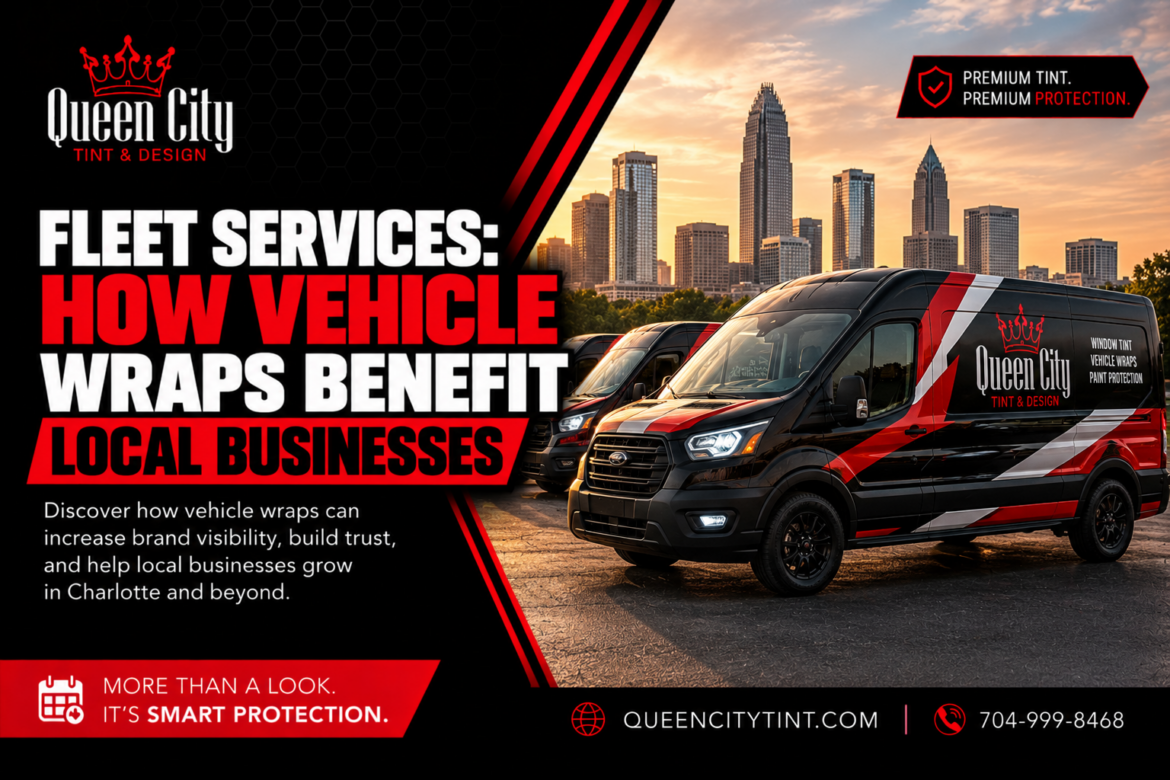
Fleet Services: How Vehicle Wraps Benefit Local Businesses

Fleet Services: How Vehicle Wraps Benefit Local Businesses

In a competitive marketplace, standing out is not just an advantage, it’s a necessity. For local businesses dependent on transportation, fleet vehicles are often the most visible extension of their brand. Yet, many companies are missing a powerful opportunity to transform these assets into moving advertisements.

At Queen City Tint, we’ve seen firsthand how professionally designed vehicle wraps can become the secret weapon for local businesses looking to amplify their brand presence, capture attention, and drive growth.

This article explores how vehicle wraps, as part of fleet services, bring real benefits to local companies. We’ll cover everything from brand exposure and cost efficiency to protection and professionalism. Whether your fleet consists of two cars or twenty vans, the right vehicle wrap strategy can make a dramatic impact on your business.

Maximizing Brand Visibility

The roads are crowded with potential customers, but capturing their interest is a unique challenge. Vehicle wraps turn traffic into opportunity. When your fleet vehicles are covered with eye-catching graphics and clear branding, every trip becomes a chance to showcase your business to hundreds, sometimes thousands, of viewers each day.

Unlike static signs or billboards, wrapped vehicles reach people where they live, work, and commute. Branding that is bold, creative, and memorably displayed on your vehicles builds recognition rapidly.

Customers are much more likely to remember your business if they see your logo and messaging repeatedly as they drive around town. Unlike fleeting digital ads, a wrapped vehicle makes a personal, tangible impression that can’t be clicked away or blocked by a filter.

Cost-Effective Advertising

Traditional advertising can eat up marketing budgets quickly, especially for small local businesses. Think about the recurring expenses of online ad campaigns, print media, or billboard rentals.

Now compare that to the one-time investment of a vehicle wrap, which typically lasts several years and provides a consistent, uninterrupted advertising presence. Vehicle wraps represent a highly cost-effective method for getting your company’s message in front of as many eyes as possible, every single day.

The “cost per impression” for vehicle wraps steadily goes down over time, making them one of the most affordable outdoor advertising strategies for local businesses. The return on investment is substantial because your fleet never stops promoting your brand.

Protection for Your Vehicles

Business owners understand that maintaining their fleet is not just about appearance, it’s about minimizing costs over the lifespan of their vehicles. High-quality vinyl wraps protect original paintwork from sun damage, chips, minor abrasions, and harsh weather conditions. This protective layer helps retain resale value and ensures vehicles always look fresh and well cared for.

If you decide to update your branding or change your promotional message, removing (or updating) a wrap causes no damage to the underlying paint. In fact, a well-maintained wrapped vehicle comes out with the same or better resale value compared to one that has been exposed to years of unprotected use.

Building Professionalism and Trust

A wrapped fleet instantly communicates professionalism. Customers notice details, and nothing signals organization and reliability like consistently branded service vehicles. When your trucks or vans arrive at a job site displaying your business identity, customers feel a greater sense of trust and recognition.

This professionalism not only impresses your clients, but also helps strengthen your reputation in the community. Well-branded vehicles show that you are serious about your business and your presence in the marketplace. As a local company, this perception can set you apart from larger, faceless competitors.

Versatility and Customization

Vehicle wraps offer unmatched flexibility in design and messaging. From subtle logos on car doors to full-coverage graphics on large vans, wraps can be tailored to fit any style, message, or promotional campaign. Updates can be made to highlight seasonal offers, new services, or company milestones, without the headaches of repainting or dealing with temporary signage.

The design process is collaborative, allowing you to work with experienced wrap designers to ensure your company’s branding remains clear, readable, and impactful. At Queen City Tint, we ensure that our wraps are meticulously installed for a seamless look, free from bubbles, wrinkles, or misalignments.

Eco-Friendly and Reversible

Modern vehicle wraps use environmentally friendly materials and can be removed cleanly when needed. This allows for flexibility in marketing and ensures you can change or upgrade your advertising approach without contributing to unnecessary waste or damage. For businesses prioritizing sustainability, this is an added benefit that aligns with modern values and customer expectations.

Frequently Asked Questions

How long does a vehicle wrap typically last?

A professional vehicle wrap can last five to seven years when cared for properly. Longevity depends on factors like sun exposure, driving conditions, and cleaning practices.

Will a wrap damage my vehicle’s paint?

No, quality vinyl wraps protect the paint underneath. In fact, they help prevent chips and fading. When installed and removed by professionals, there is no damage to the original finish.

Can I wrap leased vehicles?

Yes, most leased vehicles can be wrapped, but it’s best to confirm with your leasing agent first. Because wraps are removable, they offer a non-permanent way to brand your fleet without violating lease agreements.

What kind of designs work best for vehicle wraps?

The most effective wraps use bold colors, clear logos, and concise messaging. Too much information can clutter the design. Working with expert designers will ensure your wrap is legible and memorable at a glance.

Conclusion

Vehicle wraps offer local businesses a powerful, flexible, and cost-effective marketing strategy. By turning your fleet into rolling billboards, you benefit from increased brand visibility, long-term advertising savings, and an enhanced company image.

In the dynamic world of local business, wrapped vehicles are not just a cosmetic upgrade, they are a strategic investment that pays dividends with every mile driven. If you are ready to bring your brand to the streets and experience the benefits of fleet wraps firsthand, Queen City Tint is here to guide you through every step.
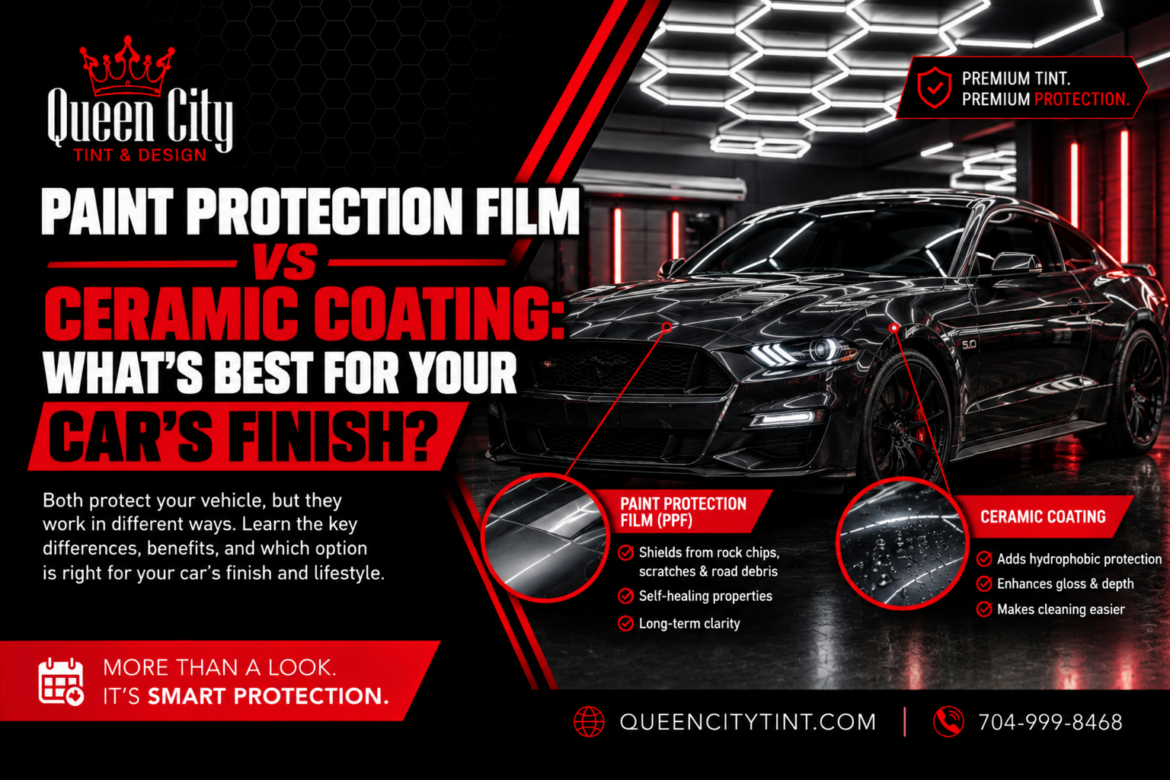
Paint Protection Film vs Ceramic Coating: What’s Best for Your Car’s Finish?

When it comes to preserving your vehicle’s appearance, few topics generate more debate among car enthusiasts and owners than the comparison between paint protection film and ceramic coating.

Both promise to safeguard your car’s finish from daily wear, UV rays, environmental hazards, and accidental scratches. But which one is right for your car and your investment? At Queen City Tint, we offer both premium solutions to the Charlotte community, so let’s break down the real-world differences and benefits of each option.

Understanding Paint Protection Film

Paint protection film is a virtually invisible polyurethane material applied directly onto the painted surfaces of your car. Its roots go back to military applications, but today, automotive paint protection films have evolved into sophisticated barriers that protect even the most delicate finishes.

Key Benefits of Paint Protection Film

  • Impact and Scratch Resistance
    Paint protection film is designed primarily to guard against road debris, rock chips, scratches, and light abrasions. The film acts as a sacrificial shield, absorbing impacts that would otherwise damage your paint.
  • Self-Healing Properties
    Many high-quality films offer self-healing capabilities. Small scratches and swirl marks disappear with the application of heat, whether from the sun or a warm water rinse.
  • Stain and Yellowing Resistance
    Modern paint protection films resist discoloration and will not yellow with UV exposure, keeping your finish crystal clear over time.
  • High-Gloss and Matte Options
    You can match the film to the look you want, whether maintaining factory gloss or adding a matte finish for a custom look.

Ideal Uses for Paint Protection Film

  • New vehicles to preserve showroom finish
  • High-value or collector cars
  • Daily drivers exposed to harsh road conditions
  • Owners seeking maximum impact protection

Maintenance of Paint Protection Film

Paint protection film is relatively low-maintenance. Regular washing with mild soap maintains its clarity. Depending on the quality and thickness of the film, it can last many years without needing replacement, especially if professionally installed.

What Is Ceramic Coating?

Ceramic coatings are liquid polymer solutions that bond chemically with your vehicle’s factory paint, creating a durable and hydrophobic surface. Unlike wax, which simply sits on top, ceramic coatings seal the paint with a hard, glass-like finish.

Key Benefits of Ceramic Coating

  • Hydrophobic Effect
    Water beads and dirt repels instantly, making routine cleaning faster and easier. This effect also keeps your car looking cleaner longer.
  • UV and Chemical Protection
    Ceramic coats help prevent oxidation, paint fade, and etching from acidic contaminants like bird droppings or tree sap.
  • Enhanced Gloss and Depth
    A well-applied ceramic coating delivers a rich shine, intensifying your car’s color and improving reflectivity.
  • Scratch Resistance (to a Degree)
    While not as robust against chips and direct impact as film, ceramic coatings add a light, scratch-resistant layer that reduces minor swirl marks.

Ideal Uses for Ceramic Coating

  • Daily driven vehicles needing easier cleaning
  • Owners wanting an ultra-glossy, “just-detailed” appearance
  • Those looking to protect against staining or chemical damage

Maintenance of Ceramic Coating

The key advantage of ceramic coating is its ease of maintenance. Regular washing keeps contaminants from settling, and washing is noticeably faster because water and grime slide off easily.

Head-to-Head: Which Option is Best for Your Car?

The decision ultimately hinges on your main priorities for car protection.

  • If you prioritize maximum protection from rock chips, scratches, and minor accidents, paint protection film offers unparalleled barrier strength. Paint protection film covers the physical impact zone, especially for high-risk areas such as bumpers, hoods, and fenders.
  • If daily cleaning, stain prevention, and a glossy finish are your priorities, ceramic coating shines. It makes cleaning effortless, enhances gloss, and prolongs paint health against environmental exposure.

For many car enthusiasts and owners, combining both options is the ultimate solution. Paint protection film is often applied to areas prone to damage while ceramic coating is used over the entire body for added shine and easy maintenance.

Frequently Asked Questions

What lasts longer paint protection film or ceramic coating?

Generally, paint protection film can outlast ceramic coatings when it comes to physical barrier properties. A high-quality film can last for five to ten years. Ceramic coatings, depending on the brand and aftercare, can last two to five years before reapplication is needed.

Is it possible to apply ceramic coating over paint protection film?

Absolutely. In fact, at Queen City Tint, we regularly apply ceramic coating on top of protection film for enhanced hydrophobic effect and simplified cleaning. The two products work together, not against each other.

Will either product prevent all rock chips or scratches?

While paint protection film is highly resistant, it is not indestructible. Ceramic coating, on the other hand, is scratch-resistant only to a degree. Neither makes your car immune, but both significantly reduce the chances of damage compared to unprotected paint.

How do I decide which is best for my lifestyle and vehicle?

Evaluate your driving habits, parking environment, the value of your car, and your maintenance preferences. A professional consultation can provide personalized recommendations based on your vehicle and how you use it.

Conclusion: Invest Wisely in Your Vehicle’s Future

Both paint protection film and ceramic coatings are smart, future-focused investments in your car’s appearance and resale value. Your final decision will depend on your goals. Do you want absolute physical barrier protection, or is your main concern appearance and ease of cleaning?

At Queen City Tint, our experts are ready to help Charlotte’s automotive community make informed decisions with honest advice and professional installation. Ready to preserve your vehicle’s shine and beauty? Contact us and discover the best option for your car’s finish.

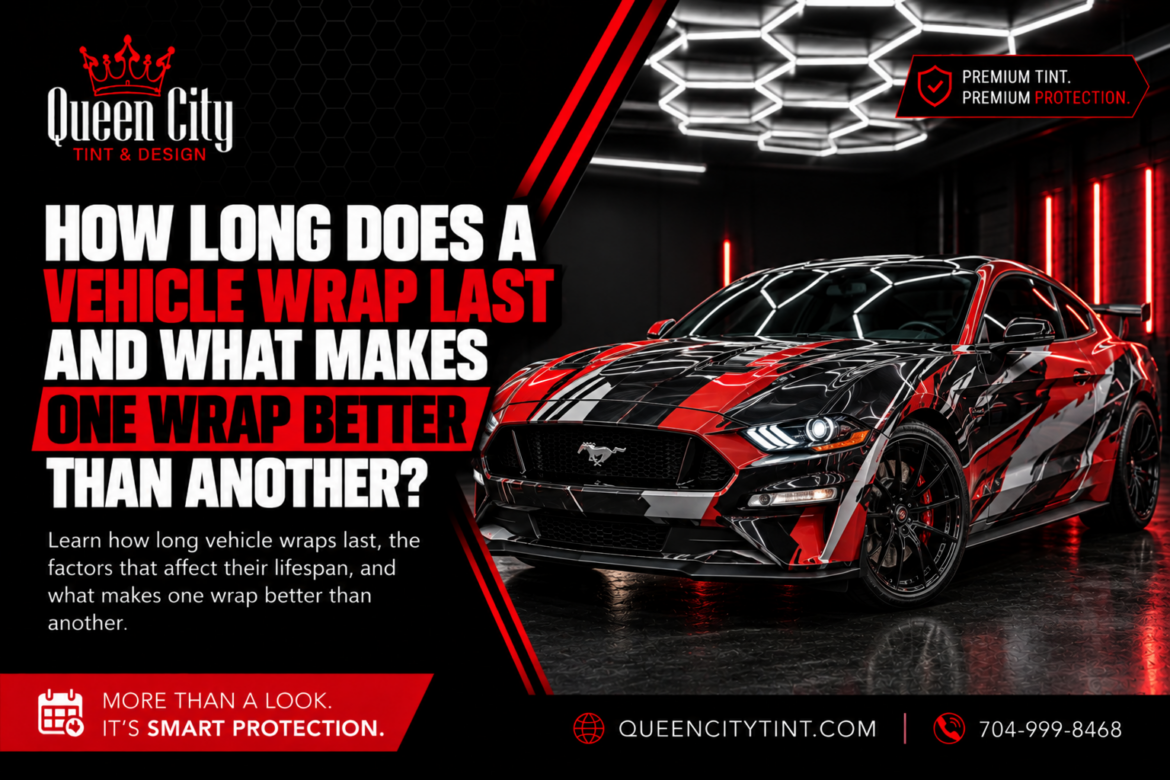
How Long Does a Vehicle Wrap Last and What Makes One Wrap Better Than Another?

When you invest in your car, you want it to look its best. One of the most exciting ways to transform your vehicle is by giving it a brand-new wrap. Whether it’s for advertising, personal style, or simply protecting the original paint, car wraps have become a popular solution for car enthusiasts and businesses alike.

But an important question remains: how long does a vehicle wrap last? And what actually makes one vehicle wrap superior to another? In this comprehensive guide, we’ll break down the key factors, the expected lifespan of a wrap, and what you should consider before scheduling your installation.

Understanding Vehicle Wraps: More Than Just Looks

A vehicle wrap is a thin vinyl film applied over the exterior surface of a car, truck, or van. Unlike paint, wraps can be removed without damaging the underlying surface. They come in a variety of colors, finishes, and textures. Whether you’re after a matte black to turn heads or want to display your business branding, wraps provide flexibility and visual impact.

How Long Will a Vehicle Wrap Really Last?

One of the first questions new clients ask is about durability. A professionally applied, high-quality vinyl wrap typically lasts anywhere from five to seven years. This range depends on several influential factors, both in the material itself and how you care for it.

Factors Affecting Longevity

Material Quality

Not all vinyl is created equal. The best wraps are made from premium cast vinyl, which can conform to the car’s curves without cracking or lifting. Cheaper, calendered vinyl may look similar at first but degrades much faster.

Professional Installation

A skilled installer ensures proper adhesion, precise cuts, and smooth edges. Poor installations commonly lead to bubbling, peeling, or premature lifting problems that will shorten the wrap’s life.

Climate and Exposure

Sun, rain, snow, and pollutants all take a toll on a vehicle wrap. Constant. unprotected exposure to UV rays will accelerate fading and aging. Parking your car in a garage or shady area can significantly extend a wrap’s life.

Maintenance Practices
Routine care is essential. Gentle hand washing and avoiding aggressive chemicals help preserve the color and finish. Automated brushes and power washers can lift edges and scratch the surface.

What Makes One Vehicle Wrap Better Than Another?

There’s more to a quality wrap than eye-catching graphics. Superior wraps are distinguished by four main traits:

Quality of Materials

Top-tier vinyl has enhanced UV protection and flexibility, resisting cracking and shrinking. 3M, Avery Dennison, and Oracal are examples of industry-leading materials, though even within these brands, there are different performance grades.

Printing and Ink

If your design is printed, the quality and durability of the ink matter. UV-resistant inks prevent colors from fading and maintain vibrancy over years, not just months.

Installation Technique

A high-quality wrap relies heavily on detail-oriented installers. From thorough surface cleaning to careful heat application at edges, it’s the small steps that prevent future peeling. Trusting a certified technician makes all the difference between a wrap that lasts and one that disappoints.

Warranty and Aftercare

The best wrappers stand behind their work with warranties on both material and labor. They should also guide customers to proper maintenance practices, ensuring the wrap looks great for years.

FAQs: Getting the Most Out of Your Vehicle Wrap

Q1: Can I take my wrapped car through the car wash?

Hand washing is always best for wrapped vehicles. Automatic washes, especially those with brushes, can peel up edges or scratch the vinyl. For the longest-lasting finish, use a gentle soap and microfiber towel.

Q2: Will a vinyl wrap damage my car’s original paint?

A professionally installed and properly removed vinyl wrap will not harm factory paintwork. In fact, it protects the surface from minor scratches and sun damage during its lifespan.

Q3: Can I wrap a car with dents or rust?

Vinyl adheres best to smooth, clean surfaces. Dents and rust spots can cause bubbling and imperfect adhesion, so it’s wise to address body issues before wrapping your vehicle.

Q4: How do I remove a vehicle wrap when it’s time for a change?

When ready to update your look or sell your car, a professional can safely remove the wrap without damaging the original finish. Attempting a DIY removal could result in adhesive residue or paint damage, so it’s best to trust the experts.

Practical Tips For a Longer-Lasting Car Wrap

  • Always park in shaded or covered areas when possible
  • Wash your car by hand and dry with soft towels
  • Address chips or peels immediately before they spread
  • Follow the manufacturer’s care recommendations

Final Thoughts

A vehicle wrap is an investment in style, branding, and protection. With proper care, you can enjoy eye-catching looks and paint protection for years. The differentiator between a wrap that lasts and one that fades away quickly comes down to materials, technique, and ongoing maintenance. Prioritize quality at every step from choosing the installer to caring for your car and your wrap will reward you with maximum lifespan and value.

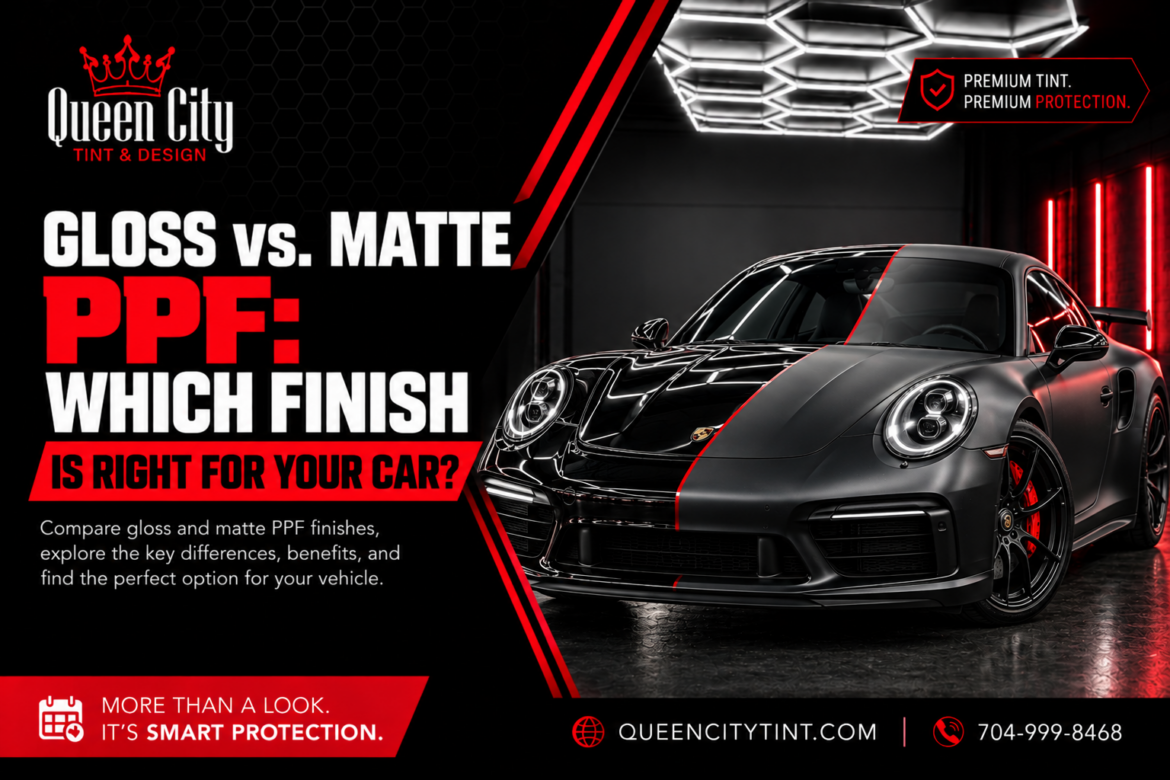
Gloss vs. Matte PPF: Which Finish Is Right for Your Car?

When it comes to protecting the paint on your vehicle, paint protection film (PPF) stands out as one of the most effective options. This transparent or colored film acts as a shield, preventing damage from road debris, weather, and the sun’s harsh rays. But even within the world of PPF, car owners face a significant decision: should you choose gloss or matte finish?

Both finishes deliver outstanding protection, but they offer distinct visual effects and experiences. Your personal style, driving habits, and even how you want to maintain your car can all influence the best choice for you. Let’s dive into what sets gloss and matte PPF apart and help you decide which finish is the best fit for your vehicle.

What Is Paint Protection Film?

Paint protection film is a clear, durable layer applied to the painted surfaces of your car. It helps prevent scratches, swirl marks, stone chips, and minor abrasions that often occur during everyday use. PPF is also engineered to withstand UV radiation, so your paint color remains vibrant.

Modern PPF comes in various finishes, with gloss and matte being the most popular. These options not only protect but also transform the appearance of your car, allowing you to personalize it according to your taste.

Understanding Gloss PPF

Gloss paint protection film is designed to enhance your car’s existing shine. Think of it as a crystal-clear coat that adds extra depth and brilliance to your vehicle’s finish. By mimicking the reflective properties of high-quality clear-coat paint, gloss PPF makes any color pop, delivering a showroom-like appearance year-round.

Key Advantages of Gloss PPF

Gloss PPF provides a familiar look for those who love a deep, sparkling finish. The gloss effect is ideal if you want your car’s vibrant colors to stand out.

Because the gloss finish is similar to standard automotive paint, most minor scratches and swirl marks are less noticeable. Many gloss films also have self-healing properties, using heat from the sun or a warm water rinse to erase fine scratches.

When it comes to maintenance, gloss PPF is easy to wash and wax. Water, dirt, and road grime tend to slide off its slick surface more easily, so routine cleaning is straightforward.

Exploring Matte PPF

Matte paint protection film changes your vehicle’s appearance by providing a flat, non-reflective finish. This look is bold and contemporary, creating an understated aesthetic that is increasingly popular among car enthusiasts.

Why Choose Matte PPF?

Matte PPF is perfect for those seeking a unique, stealthy look. Black, white, and grey vehicles particularly benefit from this transformation, appearing more aggressive and modern. Matte film can also be used to create two-tone effects, such as a matte hood with gloss elsewhere, delivering a truly customized style.

Unlike gloss PPF, matte film masks imperfections, but it requires specially-formulated cleaning solutions and more careful washing techniques. Standard waxes and polishes can make the surface shiny, which ruins the intended effect.

Which PPF Finish Is Best for You?

Ultimately, the choice depends on your personal preferences and how you use your vehicle.

  • Choose gloss PPF if you love the classic mirror finish, want easy maintenance, and prefer your paint’s color to appear more intense and vibrant.
  • Opt for matte PPF if you want to stand out with a unique look, appreciate a muted and modern style, and don’t mind spending a little extra time on cleaning and care.

Some drivers even combine the two finishes for a one-of-a-kind appearance. No matter which you pick, both films offer the same high level of protection against environmental hazards.

Maintenance Considerations

No matter your choice, both types of PPF make washing your car easier by repelling water and grime. However, maintaining matte PPF demands more diligence. Regular gloss-safe shampoos typically do not work well on matte finishes, and you must avoid anything that adds shine.

Gloss PPF, on the other hand, is more forgiving. It accommodates waxing and polishing, so upkeep is much like taking care of a traditional painted car.

Longevity and Durability

High-quality PPF films last between five to ten years with proper care, regardless of the finish. The main difference lies in how visible wear and minor marks appear. Scratches are often less visible on matte films, but they can mar the uniform surface if not treated correctly.

FAQ

What is the main difference between gloss and matte PPF?

Gloss PPF delivers a shiny, reflective look, while matte PPF creates a modern, flat appearance. Both offer the same level of paint protection but differ in how they change your car’s aesthetics.

Does matte PPF require more maintenance than gloss PPF?

Matte PPF does require more careful cleaning, as standard waxes and polishes may create unwanted shine. Special care products designed for matte finishes are recommended.

Can I switch from gloss to matte PPF later?

Yes, PPF can be removed and replaced by a professional. If you want to change the finish in the future, this is possible, but it requires a complete reapplication.

Will PPF affect the resale value of my car?

Paint protection film, whether gloss or matte, can help maintain your vehicle’s paint in excellent condition, often improving resale value by preventing chips, scratches, and UV damage.

Conclusion

There is no universally right answer to the gloss vs. matte PPF debate, only what’s right for your vehicle and lifestyle. Consider how you want your car to look every time you approach it, how much time you’re willing to spend on maintenance, and your personal tastes.

Both finishes offer significant value, enhancing your vehicle’s appearance while defending its paintwork against the hazards of daily driving. Whether you select a luminous gloss or a daring matte, you’re making a smart investment in your car’s future.

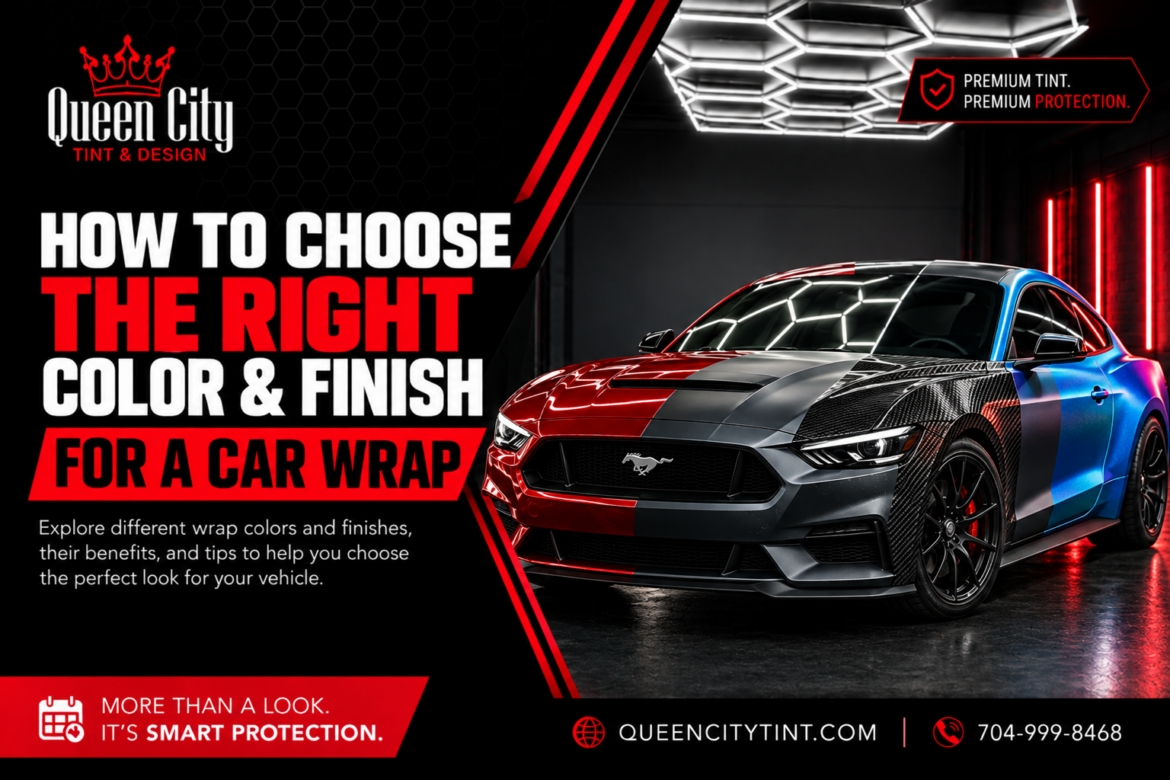
How to Choose the Right Color & Finish for a Car Wrap

Choosing a car wrap is not just about protecting your vehicle’s paint or updating its look. It’s about making a statement on the road. Whether you aim for elegance, sportiness, or a unique identity, selecting the right color and finish is essential. The process can seem overwhelming due to the seemingly endless options. This guide helps you discover the perfect combination that fits your style, practical needs, and budget.

Understanding the Basics of Car Wraps

A car wrap is a vinyl film applied over your vehicle’s body panels. It can completely change your vehicle’s appearance while protecting the original paint underneath. Car wraps offer flexibility: you can go for solid colors, creative patterns, or even striking graphics. However, the initial step is to choose the right color and finish, which have a tremendous impact on your vehicle’s aesthetics and even its resale value.

Key Factors to Consider When Selecting Car Wrap Colors

Your personal taste is crucial, but choosing a wrap color also involves considering the vehicle’s model and purpose. Do you drive a business vehicle and want to signal professionalism, or is your car a passion project for car shows?

Think about your climate and environment as well. Light colors like white or silver reflect sunlight and can keep your car cooler in hot climates. Darker shades such as black, blue, or dark green tend to accentuate sleek lines and hide dirt for longer, but they can absorb more heat.

Current trends might inspire you, with popular choices ranging from understated matte grays to bold, iridescent finishes. But trends shift quickly, and something that is fashionable now might become dated in a few years. Timeless classics like silver, navy, and black never go out of style, while custom shades can help you stand out if that’s your goal.

Exploring Car Wrap Finishes

Once you decide on a color, the next consideration is the finish. The finish can completely change the effect of the color itself and the overall impression made by your vehicle.

Gloss Wrap

This is the most popular and familiar finish, closely resembling traditional automotive paint. Gloss wraps are excellent at highlighting a car’s curves and details. If you want a look that is clean and universally appealing, gloss is a safe and attractive choice.

Matte Wrap

Matte finishes are trendy and lend a sleek, understated look. They absorb light rather than reflect it, resulting in a refined appearance. Matte wraps are ideal for those who want their car to stand out in a subtle way.

Satin Wrap

Offering a balance between gloss and matte, satin wraps feature a silky sheen. They deliver a modern, sophisticated look that draws attention without being too flashy.

Metallic and Chrome Wraps

For maximum visual impact, metallic and chrome finishes provide unmatched shimmer. These finishes are especially popular for sports cars and show vehicles. However, they require more maintenance and tend to show imperfections more easily than other finishes.

Textured Wraps

Options like carbon fiber or brushed metal add depth and tactile appeal to your car wrap. These specialty finishes work well for accents or to convey a high-performance vibe.

Practical Considerations Before Making a Decision

While aesthetics are important, it’s also vital to think about longevity, maintenance, and cost. High-gloss and chrome wraps, for example, might require more regular cleaning and can be more susceptible to scratches.

Matte wraps may be trickier to repair if damaged since matching the shade perfectly can be challenging. It’s wise to ask your installer for care instructions specific to your chosen wrap type.

If you plan to resell the car or remove the wrap after some time, select neutral colors and classic finishes. Bright or custom options might limit your resale market or increase removal cost.

The Impact of Lighting and Surroundings

Colors and finishes often look different in the showroom compared to outside in natural light. Always view wrap samples in natural daylight. Walk around your vehicle and look at the sample from different angles and in different lighting to see how the wrap’s hue and sheen respond.

Professional Installation Matters

No matter which color and finish you select, the skill of your installer will determine the end result. Poor installation can lead to unsightly seams, bubbles, or peeling. Choose a professional with a strong portfolio in your preferred wrap style.

Frequently Asked Questions

What is the most popular car wrap color?

Gloss black remains one of the top choices because of its timeless appeal and versatility. Matte gray and satin white have also gained popularity for their modern look.

Are certain wrap finishes harder to maintain?

Gloss and metallic wraps typically show scratches or swirl marks more readily but are easy to clean. Matte and satin finishes can be more sensitive to certain cleaning products and may require special care to avoid staining or uneven fading.

Does a car wrap affect resale value?

A well-maintained wrap can protect the original paint and even boost resale value if the new buyer appreciates the style. However, bright or unusual colors may make the car less appealing to a broad audience.

How long does a car wrap last?

Most quality vinyl wraps last between five to seven years with proper maintenance. Durability depends on the type of wrap, climate, and level of sun exposure.

Conclusion: Make the Right Statement

Selecting the right color and finish for your car wrap involves a careful balance of style, practicality, and maintenance priorities. Think beyond the present trend and consider how the color and finish will reflect your personal brand or business image over time. If in doubt, consult with a professional installer who can guide you through the selection process and help you visualize the possibilities.

What Areas of a Car Should You Protect With PPF?

Anyone who cares about maintaining their car’s value and appearance will come across the term PPF, short for Paint Protection Film. In today’s world where our vehicles face everything from dust and gravel to bird droppings and harsh UV rays, it’s no wonder PPF is growing in popularity.

This clear, nearly invisible film serves as a crucial first line of defense for your paintwork, but what are the smartest areas of your car to cover for the best results? In this article, we’ll explore key zones that benefit most from PPF and how this investment can serve you for years to come.

Understanding Paint Protection Film

Before choosing where to apply PPF, let’s briefly clarify what it does. PPF is a thermoplastic urethane film that is applied to painted surfaces of a car in order to shield them from physical and environmental damage. It acts like a sacrificial coat, taking the brunt of chips and scratches so your original paint stays pristine.

PPF is transparent, flexible, and designed for long-term durability. Most modern films also come with self-healing properties, meaning minor scratches disappear when exposed to heat. This innovation makes PPF ideal for car owners who want to keep their paint looking showroom fresh.

Why Selective Coverage Makes Sense

While some enthusiasts opt for full-body wraps, most car owners find targeted PPF coverage provides outstanding protection at a sensible price. Focusing on high-impact and high-touch areas maximizes the film’s value. Not every inch of your car faces the same threat, so strategic placement is both financially and functionally sound.

Let’s look at the most important zones for PPF application.

1. Front Bumper

The front bumper bears the brunt of daily driving hazards. Road debris, stones, and bugs all hit this area first. A PPF layer here prevents unsightly chips, scuffs, and bug stain etches that are otherwise all too common.

2. Hood

Next to the bumper, the hood is among the largest surfaces facing forward. This makes it vulnerable to stone impacts kicked up by vehicles ahead. Even small chips can quickly lead to corrosion, especially when exposed to rain or road salt. Protecting the full hood or even a partial section near the leading edge can save significant expense and preserve curb appeal.

3. Fenders and Side Mirrors

Front fenders and side mirrors are constantly exposed to lateral debris flung up by your own tires or vehicles in adjacent lanes. Because mirrors protrude, they are especially likely to take direct hits from stones and insects. Targeting these surfaces with PPF keeps them free from scratches and paint damage.

4. Headlights

Today’s headlights are often made from polycarbonate which can fog or discolor over time due to UV rays and repeated contact with sand and grit. Applying PPF prevents hazing and keeps your lights clearer and brighter, improving both safety and aesthetics.

5. Door Edges and Handles

Small scratches and chips frequently occur around door handles and along the edge where the door may come into contact with walls or other vehicles. PPF in these areas is a subtle but highly effective measure to guard against minor accidents and daily wear.

6. Rocker Panels

Lower side panels just below the doors are constantly battered by stones and grit thrown off your own wheels. PPF coverage on the rocker panels shields this area against these constant assaults, which are otherwise invisible until the paint has already worn down.

7. Trunk Ledge

The trunk or boot ledge is another zone that sees frequent loading and unloading of luggage, groceries, and other bulky items. These interactions can scuff and scrape your paint. A strip of PPF here absorbs the abuse, preserving the original finish.

Should You Protect the Entire Vehicle?

Full-body PPF wraps offer the ultimate peace of mind and are a popular option for luxury vehicles, high-end sports cars, and those who intend to keep their car in perfect condition for years. This is, however, a premium choice. For daily drivers, targeted coverage is usually enough. If you’re unsure, consult an experienced installer to discuss your driving habits and priorities.

Additional Benefits of Paint Protection Film

PPF not only guards against chips and scratches. It shields your paint from UV exposure, reduces staining from bugs or bird droppings, and makes cleaning much easier. Many PPF products even add a degree of gloss, enhancing your car’s look.

Investing in this invisible armor is particularly smart if you plan to lease your car, as it helps avoid costly return penalties for cosmetic damage. For those who love taking pride in their ride’s appearance, PPF delivers unmatched paint preservation.

Frequently Asked Questions

How long does PPF last?

High-quality PPF can last five to ten years, depending on maintenance and environmental factors. Most come with warranties covering yellowing and delamination.

Can PPF be applied over scratches or damaged paint?

PPF should always be applied on a clean, smooth, defect-free surface. Any paint corrections or repairs should be completed first for optimal appearance and adhesion.

Does PPF change the look of the car?

No, modern PPF is virtually invisible. In some cases, it can actually slightly enhance gloss and depth.

Is it worth installing PPF on a leased vehicle?

Absolutely. Protecting key areas can minimize wear and tear charges when returning the car at lease-end and keeps the car looking better for longer.

Conclusion: Smart Protection Makes Ownership Easier

Choosing to apply paint protection film to the most vulnerable parts of your vehicle is a practical move for any car owner who values their investment. By focusing on the bumper, hood, fenders, headlights, and other high-risk areas, you ensure your car stays looking new and holds its value. Consider PPF as not just an expense but a way to drive and park with more confidence every day.

Paint Protection Film (PPF): Is It Worth the Investment?

Car enthusiasts and everyday drivers alike share a common desire, to protect the beauty and value of their vehicles for as long as possible. Modern automotive paints are more resilient than ever, but there are still many threats that can impact a car’s finish, such as gravel, rock chips, salt, UV rays, tree sap, bug splatter, and road debris.

Enter paint protection film, often called PPF, a technology that promises to shield your car’s exterior against daily hazards. But is investing in PPF really worth it? Let’s break down the facts, common concerns, and the true value behind this automotive innovation.

What Is Paint Protection Film?

Paint protection film is a clear, durable, and almost invisible layer that is applied directly to your car’s painted surfaces. Originally developed for military use, PPF has now been adapted for mainstream automotive protection. Essentially, it creates a physical barrier that absorbs impacts, resists scratches, and deflects environmental contaminants before they have a chance to damage your paint.

Today’s PPF products are engineered with advanced polymers that have self-healing properties. Minor scratches and swirl marks can disappear with the application of heat from sunlight or hot water. This creates a sustained, like-new look for your vehicle, significantly reducing the time and money spent on paint correction or touch-ups.

The Real-World Benefits of PPF

Protection Against Damage: PPF acts as a sacrificial layer. Instead of rock chips or minor abrasions compromising your paint, the film takes the first impact. This can be especially valuable if you drive frequently on highways or rural roads where small debris is common.

Preserves Resale Value: A vehicle maintained in near-perfect cosmetic condition generally commands a higher price when it comes time to sell or trade in. Keeping the paint free from chips, scratches, and fading translates into tangible value down the road.

Invisible Defense: High-quality PPF is virtually undetectable once installed professionally. Your vehicle’s color, gloss, and finish are preserved without a dull or yellowed appearance. Some newer films even boast hydrophobic properties, which help water and dirt bead off with ease.

Reduces Maintenance: Since dirt and contaminants don’t bond as easily to PPF as to unprotected paint, it becomes easier to keep your car clean. Detailing sessions tend to be quicker and require less elbow grease.

Factors to Consider Before Installing PPF

Before making the investment, there are a few considerations to weigh.

Quality and Brand Matter

Not all PPFs are built the same. Premium brands may cost more, but they offer superior durability, optical clarity, self-healing abilities, and longer warranty protection. Be sure to ask installers what film they use and why.

Professional Installation Is Crucial

A flawless PPF application requires skill and experience. Any visible seams, bubbles, or misalignments detract from both appearance and function. When choosing an installer, ask for before-and-after examples or client testimonials.

Upfront Cost Versus Long-Term Savings

The initial price of PPF can be significant, especially if you opt to cover the entire car rather than just high-impact areas like the hood, bumper, and side mirrors. However, the cost must be viewed against the potential for reduced paint repairs, touch-ups, or respraying due to chips and scratches.

Coverage Options

You can choose to protect just the most vulnerable areas or opt for a full-body wrap. Your driving habits, budget, and the environment where the car is mostly used all play a part in this decision.

Maintenance Routine

While PPF is relatively maintenance-free compared to unprotected paint, you should still avoid harsh chemicals and automatic car washes with abrasive brushes. Regular hand washing and gentle cleaning products will extend the life of your investment.

Is PPF Right for Every Vehicle?

PPF is an especially popular option for new vehicles, luxury cars, sports cars, and anyone passionate about maintaining their car’s appearance. Owners who drive long distances, park in busy urban areas, or frequently notice chips and scratches may experience more benefit from paint protection film than those who use their vehicle only sparingly.

However, even older cars can gain fresh protection and restored luster with the right PPF application, assuming the underlying paint is in good condition. It is an investment, but for many, the increase in peace of mind and preserved finish pays off handsomely.

Frequently Asked Questions About PPF

How long does paint protection film last?

Modern PPF typically lasts anywhere from five to ten years, depending on factors like film quality, climate conditions, and maintenance routine. Premium films backed by reputable installers often come with warranties.

Does PPF affect the appearance of my car’s paint?

High-quality paint protection films are designed to be virtually invisible and maintain the factory gloss of your paint. Some options are even available in matte finishes for a custom look.

Can paint protection film be removed without damaging the paint?

Yes, PPF is designed to be safely removed by professionals. The process does not damage the original paint, provided it was in good condition before installation.

Is PPF the same as a ceramic coating?

No, PPF and ceramic coatings serve different purposes. PPF is a physical, protective layer that guards against chips and scratches, while ceramic coatings offer chemical resistance, hydrophobicity, and enhanced gloss. Many car owners choose to use both for maximum protection.

Final Thoughts: Is Paint Protection Film Worth the Investment?

Ultimately, the decision to invest in paint protection film comes down to your priorities, your budget, and how much you value your vehicle’s appearance. For owners looking to maintain a flawless finish and maximize resale value, PPF offers proven, long-term benefits that often outweigh the initial costs. As with any investment, careful product selection and professional installation make all the difference.

Taking the step to protect your car with PPF is more than just a cosmetic decision. It’s a practical approach that pays dividends in appearance, value, and peace of mind. If these benefits align with your automotive goals, PPF is well worth considering.

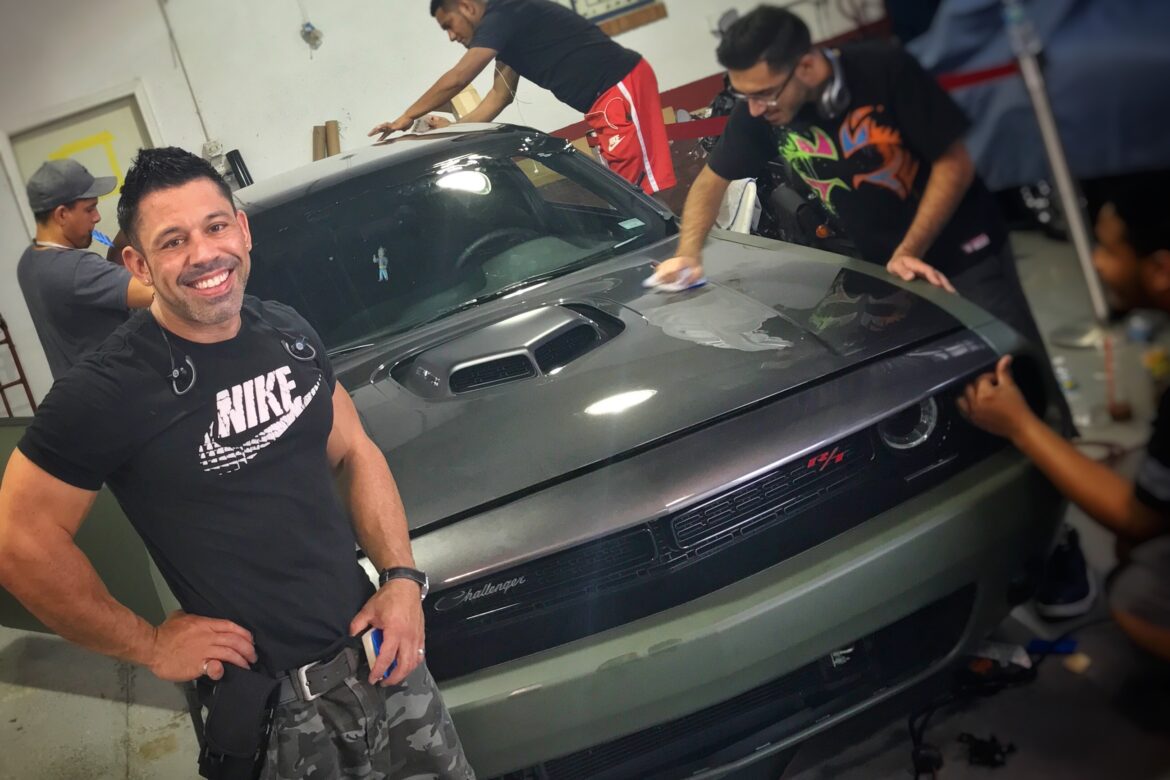
A man standing next to a car in a garage.

How To Maintain Your Car Wrap


The high quality and expertly installed vinyl car wraps here at Queen City Tint & Design are beautiful and long lasting. With the proper care your vehicle wrap will last and maintain its vibrance for many years. There are some easy steps to keep your wrap protected and looking its best. Read on to learn how to maintain your car wrap.

Steps to Maintain Your Car Wrap

  1. Keep your vehicle in a garage or protect it with a quality car cover. This makes a huge difference as far as how long your wrap lasts and how good it looks for its lifetime. 
  2. When your car gets dirty, wash it. Wash your wrapped vehicle by hand with soft, gentle towels or sponges and a non-abrasive cleaner. We like microfiber towels or automotive sponges. You can find gentle car cleaners specifically formulated for car wraps, like 3M® Car Wash Soap 39000. Rinse your car well after washing and dry it with a microfiber towel.
  3. Spot clean as needed. Bird poop, tree sap, and insect splats should be cleaned as soon as possible. These tough stains should be allowed to soften with warm, soapy water, rinsed, and dried. If this doesn’t work try 3M® Citrus Base Cleaner, denatured alcohol or a 2:1 mixture isopropyl alcohol to water.

Things to Avoid When You Have a Vehicle Wrap

  • Automatic car washes. The brushes can be hard on vehicle wraps and degrade or damage them. This can cause peeling and lifted edges.
  • The sun. Extreme heat and sun can be brutal on a wrapped vehicle kept outside unprotected. Over extended periods of time, sun and heat exposure can cause your wrap to become “baked in.†This can damage the paint underneath and increase the cost of removal when the time comes to replace it. 
  • Pollutants. Pollutants are hard to avoid, but they can do a number on the vinyl of a car wrap. The keys to avoiding pollutant damage is protecting your vehicle in a garage or with a cover and washing your wrap regularly. 
  • Wiping a hot car wrap. Never rub a car wrap when it’s hot! This can cause distortion or even damage your wrap.
  • Harsh cleaners. Never use cleaners that aren’t mild or specially formulated for vehicle wraps. Solvents and oil based cleaners are too harsh to use on vinyl wraps. 
  • Gas spills. Avoid gas spills getting on your wrap when you are pumping gas. If this happens don’t panic, wipe it off and when you get home, spot clean the area. If it is left on your wrap it can cause the vinyl to degrade. 

Maintaining your car wrap isn’t difficult. It simply requires some knowledge, consideration, and a bit of work. It is all worth it when you consider that you can extend the life of your vinyl wrap from 3 to 5 year to 8 to 10 years! If you have any questions about maintaining your Queen City Tint & Design car wrap give us a call at 980-498-1549 or shoot us an email here.

Follow Our Facebook

Vinyl Wrap Blue Matte


Facebook Page


This message is only visible to admins.
Problem displaying Facebook posts. Backup cache in use.
Click to show error
Error: Error validating access token: The session has been invalidated because the user changed their password or Facebook has changed the session for security reasons. Type: OAuthException

en_USEnglish