

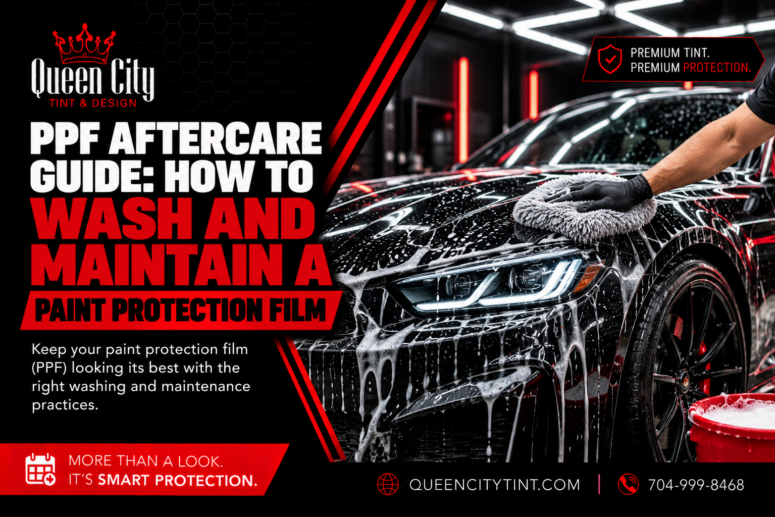
PPF Aftercare Guide: How to Wash and Maintain a Paint Protection Film
Timeless shine. That’s what every car owner hopes for after investing in Paint Protection Film (PPF). Yet while PPF provides a robust shield against stone chips, road debris, and scratch hazards, your care regimen will ultimately determine how well your vehicle’s finish holds up in the months and years to come.
Think of PPF as a “force field” for your car but, even force fields need the right maintenance. If you have recently installed PPF or are considering it, this aftercare guide will equip you to maximize both the protection and the aesthetic value it brings to your vehicle.
Understanding Paint Protection Film (PPF)
Paint Protection Film is a nearly invisible urethane layer custom-fitted to your vehicle’s exterior panels. Engineered for resilience, it guards against abrasion and environmental contamination.
Still, it is not invincible. PPF repels dirt, bug splatter, and minor physical damage, but certain chemicals and improper cleaning tactics can degrade its surface over time. Proactive aftercare is essential for preserving not only the integrity of the film but also your vehicle’s paintwork beneath.
The Essentials of First-Time PPF Care
Your vehicle looks spectacular with a fresh installation of PPF, but the way you care for it in the initial days can make a lasting difference.
What to do right after installation
- Let your car “cure” for at least 48 hours before any wash or chemical application. This allows the adhesive to fully settle.
- If you notice small water pockets or visible bubbles under the film, don’t panic. These will typically disappear within a week as moisture evaporates.
- Avoid abrasive contact during the first few days. Refrain from using towels, covers, or high-pressure sprays.
How to Properly Wash a Vehicle With PPF
Routine washing keeps the film and underlying paint free from water spots, contaminants, and stains. But the process differs slightly from washing a non-protected surface.
Tips for washing your car safely
- Use the Two-Bucket Method
One bucket for soapy water, one for rinsing your wash mitt. This dramatically reduces the risk of scratching the film by trapping dirt in your rinse bucket.
- Choose pH-Neutral Soaps
Harsh chemicals can dull or discolor your film’s top layer. Opt for soaps specifically designed for cars with PPF or ceramic coatings.
- Stay Away From Automatic Car Washes
Most automatic car washes use stiff brushes or recycled water that carries grit. This can create swirl marks or even lift the edges of the film.
- Gentle Pressure Only
A soft microfiber mitt and low-pressure spray are perfect. Never use abrasive pads or vigorous scrubbing.
- Dry With Care
Air drying is best. Alternatively, gently blot with a clean microfiber towel to avoid streaks. Do not use “wax as you dry” sprays unless labeled as PPF-safe.
Maintenance Beyond Washing
Paint Protection Film is engineered for longevity, but certain routines help it last even longer and keep it looking crystal clear.
- Spot Cleaning
Bug splatter and bird droppings should be removed promptly. Use a dedicated PPF-safe detailer and a soft cloth. Waiting too long may allow acid or pigment to etch the film. - Waxing and Sealants
You can apply some waxes or sealants over PPF, but only those marked as “film-safe” or specifically formulated for modern urethane films. Avoid abrasive polishes and always read product instructions closely. - Avoid Solvents
Strong chemicals such as tar removers, degreasers, or acetone can damage the film. When in doubt, test cleaning agents on a small, inconspicuous area first.
The Don’ts of PPF Maintenance
Some habits can shorten the life of your protection film or harm its appearance:
- Never use clay bars or abrasive compounds unless the product mentions PPF compatibility.
- Do not use wax containing dyes or excessive silicones.
- Avoid high-pressure water aiming at film edges to prevent peeling.
Addressing Minor Issues
It’s natural to encounter some cosmetic issues over time. Light scratches may “heal” with sunlight exposure thanks to many modern PPFs’ self-healing properties. If the film ever becomes torn or starts to peel, consult your original installer rather than attempting removal or patching.
FAQs
How often should I wash my car after PPF installation?
For best results, wash your car every one to two weeks. This prevents buildup of contaminants that could scratch or stain the film.
Can I use a pressure washer on my PPF?
Yes, if used on a low setting and from a safe distance, keeping the spray away from edges and seams. High pressure directly on film edges can cause lifting.
Is waxing still necessary if I have PPF?
Wax is not required for protection, but using a PPF-friendly wax or sealant can boost shine and water repellency. Never use traditional carnauba wax unless it specifically states it’s safe for paint protection film.
Will PPF turn yellow over time?
Premium quality PPFs resist yellowing. However, improper cleaning, exposure to harsh chemicals, and extended UV can affect cheaper films. Diligent aftercare will help you avoid discoloration.
Final Thoughts on PPF Aftercare
Paint Protection Film is one of the best investments you can make to safeguard your vehicle’s factory finish, but it is not set-and-forget. Regular, gentle washing, responsible product choices, and mindful maintenance will let you enjoy immaculate paintwork for years. Think of PPF not only as armor but as a premium finish deserving of thoughtful care.
If you ever encounter unfamiliar stains or have questions about your aftercare regimen, don’t hesitate to reach out to a PPF specialist. The right habits today will keep your car showroom-ready tomorrow.
 German
 English